January 4, 2026
Holiday Weight Gain Experiment: How I Gained 2 kg in One Week (And What It Teaches About Fat Loss)
It’s surprisingly easy to gain 2 kg in one week if you’re overeating festive food, skipping strength training, and relying only on light cardio. Here’s what I ate, how it happened, and what it means for anyone trying to manage holiday weight gain.
Holiday weight gain can strike faster than you expect—I gained 2 kg in just one Christmas week with no gym and festive feasts.
This real-life experiment breaks down exactly why it happens (hint: not all fat), how your body stores it, and simple steps to shed Christmas weight without guilt or crash diets. Discover the science and reclaim your progress now.
Christmas time is when I intentionally give my body a break from heavy lifting and intense training. It’s also when I allow my mind to rest from strict discipline—especially when it comes to food. I eat things I normally avoid and in quantities I usually wouldn’t. This Christmas, I decided to take things one step further and turn it into a real-life holiday weight gain experiment.
Christmas at Home: Food, Family, and No Rules
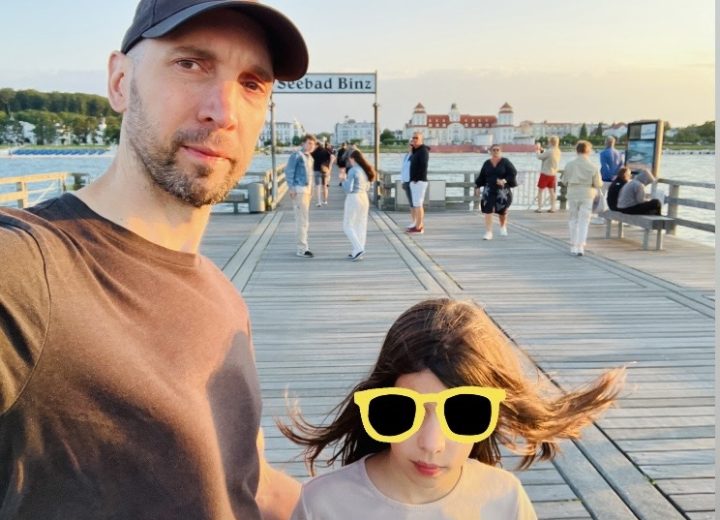
I spent the holidays at my parents’ home in Zagreb, Croatia, where I was born and raised. That meant full access to my mom’s kitchen and all the foods from my childhood. The goal was simple:
eat freely and observe how my body reacts.
The only physical activity I kept was a light 30-minute morning jog. No gym. No strength training. Just movement for recovery and enjoyment.
The Result: 2 kg Gained in One Week
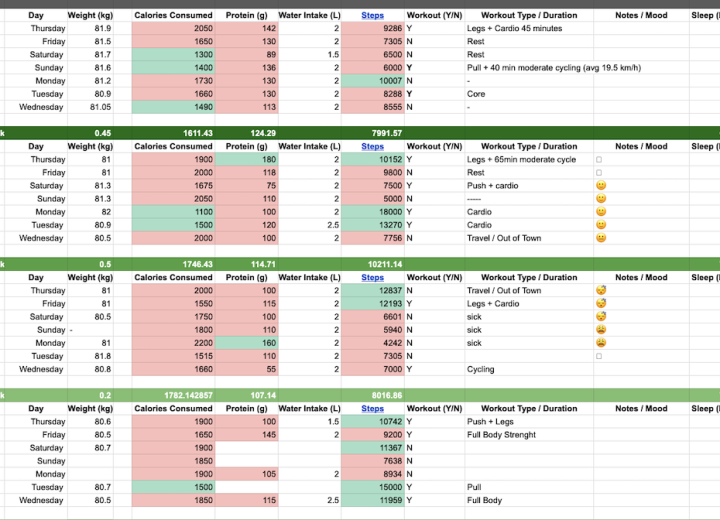
Despite running every morning and walking around 10K steps daily, I gained almost 2 kilograms in just one week.
This clearly shows how powerful overeating and calorie intake really are. Exercise alone cannot offset a calorie surplus—especially during the holidays.
The Holiday Weight Gain Illusion: Why the Scale Jumps So Fast
One of the most interesting parts of holiday weight gain is how quickly the number on the scale can change—and how misleading that number can be.
Most people step on the scale after Christmas, see an extra 2–3 kilograms, and assume they’ve gained 2–3 kilograms of body fat. In reality, that would require an enormous calorie surplus. What often happens instead is a combination of:
- Increased carbohydrate intake, which stores extra glycogen and water
- Higher sodium consumption from festive foods
- Larger meal volumes sitting in the digestive system
- Reduced training intensity and lower sweat losses
The result is what I call the “holiday weight gain illusion.” Your body feels heavier, your clothes may feel tighter, and the scale moves rapidly. But a significant portion of that weight is temporary.
This is why panic diets rarely work. Many people respond to holiday weight gain by drastically cutting calories, doing excessive cardio, or skipping meals altogether. A better strategy is simply returning to normal habits: regular training, protein-rich meals, daily movement, and patience.
In most cases, the body naturally sheds much of the excess weight within one to two weeks. The real challenge isn’t the holiday itself—it’s letting a single week of indulgence turn into a month of bad habits.
The lesson? Don’t judge your fitness journey by one weigh-in after Christmas. Judge it by what you do in January.
What Was I Eating?
Nothing fancy or strategic. I ate more food at every meal:
-
Bigger breakfasts, lunches, and dinners
-
Sweet snacks between meals
-
Desserts after most meals
-
Little attention to protein intake
The biggest factor? Consistent desserts and larger portions.
Calories vs Exercise: The Real Lesson
This experiment proves a critical fitness truth:
👉 You cannot out-train a bad diet.
Even with daily cardio and plenty of movement, weight gain is inevitable if calorie intake is high enough. Calories always win.
Want to Gain Weight Fast? Here’s the Simple Formula
If your goal is fast weight gain, the recipe is straightforward:
-
Increase portion sizes at every meal
-
Focus on large meals
-
Add desserts consistently
-
Don’t rely on exercise to “balance it out”
It works—whether you want it to or not.
Back to Reality: Discipline Returns
The moment I returned to Berlin, I was back in the gym the very next morning—training during my fasting window.
And that’s the whole point of this approach for me:
-
Give the body a break
-
Enjoy life without guilt
-
Return refreshed and motivated
There’s nothing more satisfying than watching your body come back into shape after a short reset.
Holiday weight gain experiments like this one highlight a universal challenge: balancing festive indulgence with fitness goals. To address this, many turn to proven post-holiday weight loss strategies in Berlin, such as structured personal training programs that combine high-intensity interval training (HIIT) with calorie-controlled nutrition plans.
These approaches emphasise sustainable fat loss over crash diets, helping clients shed 1-2 kg weekly through customised workouts at local gyms or parks like Tiergarten, while tracking progress via body composition scans for lasting results.
What this means for you
If you want to avoid holiday weight gain or recover quickly after the holidays, this experiment shows why:
– Portion control and protein matter more than “burning it off” with exercise.
– Regaining normal eating before and after the holidays reverses most of the gain.
– Personalized training and structure make it easier to stay on track during festive periods.
FAQ
Is 2 kg of holiday weight gain all fat?
No—most is temporary water weight from glycogen and sodium, with only ~0.3–0.5 kg actual fat. A 2 kg gain requires ~15,000 extra calories over maintenance, unlikely in one week unless you’re eating 5,000+ daily. Focus on consistency post-holidays to drop the rest fast.
How long does it take to lose Christmas weight?
You can lose 1–2 kg in 7–10 days with a 500-calorie deficit, walking 10k steps daily, and moderate protein. Water weight sheds first (3–5 days); true fat takes longer. Track with a body fat calculator, not just a scale.
Best workouts to lose holiday weight in Berlin?
Start with 3x/week full-body strength (squats, deadlifts, presses) plus 30-min walks. My clients combine this with Berlin’s parks for fat loss without burnout. Avoid cardio marathons—lift heavy to preserve muscle.
Can I prevent holiday weight gain next time?
Yes: pre-plan 1–2 higher-calorie days, prioritize protein (2g/kg bodyweight), and walk 8–10k steps daily. Use mini-resets like 16:8 fasting between feasts. Experiment safely as I did!
Final Thoughts
Holiday weight gain isn’t magic—it’s math. Calories matter more than cardio, and short breaks won’t ruin your progress if you return with consistency.
Enjoy the holidays. Enjoy the food.
Then enjoy the process of getting back in shape.
If you want help navigating holiday seasons without the weight spikes, I offer personal training in Berlin and online to keep you on track before, during, and after the holidays.
Contact a personal trainer in Berlin now