November 21, 2026
How to Lose Weight in Winter: Simple Tips That Actually Work
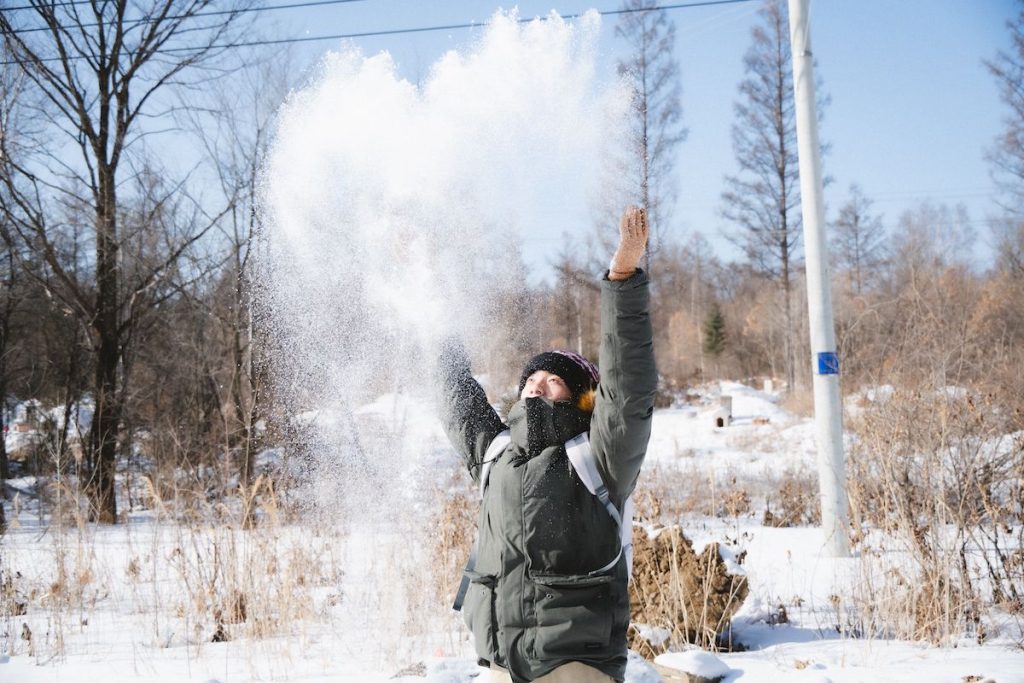
Winter is coming, and for many people, activity levels naturally drop. The days are shorter, the weather is colder, and cosy evenings indoors can easily replace walks, sports, and gym sessions. By the time spring arrives, some people find that unwanted weight has quietly crept on.
The good news is that winter does not have to derail your progress. If you want to know how to lose weight in winter, the answer is not a punishing diet or an unrealistic workout programme. It is a practical routine built around movement, balanced nutrition, recovery, and habits you can maintain even on dark, cold days.
As a personal trainer in Berlin, I offer online fat loss coaching and 1:1 personal training for people who want a clear, sustainable plan. Your first training session is free—simply contact me through the email form on my website.
Why Weight Gain Is Common When Trying to Lose Weight in Winter
In summer, many people move more without thinking about it. They walk outside, cycle, spend time in parks, play sports, and eat lighter meals. In winter, routines often change: commuting happens in darkness, outdoor activity becomes less appealing, and comfort food becomes more tempting. This can make it harder to follow a plan for how to lose weight in winter.
This is normal. It does not mean you lack willpower. It means your environment and daily habits have changed, so your strategy needs to change too.
Instead of waiting until January to start again, use winter as an opportunity to build a routine that works in real life. Small, consistent actions are far more effective than a short period of extreme dieting followed by burnout.
The Foundation: A Moderate Calorie Deficit
If your goal is fat loss, nutrition will usually have the greatest impact. To lose weight, you need to consume fewer calories than your body uses over time. However, this does not mean you need to starve yourself, cut out entire food groups, or follow a restrictive diet.
A healthy eating plan should be flexible enough to fit your lifestyle. Focus on:
- Protein at most meals, such as eggs, yoghurt, fish, chicken, tofu, beans, or lentils.
- Vegetables and fruit for fibre, volume, vitamins, and minerals.
- Whole grains, potatoes, rice, oats, or other carbohydrate sources to support training and energy.
- Healthy fats in reasonable portions, including olive oil, nuts, seeds, and avocado.
- Water or unsweetened drinks instead of frequent sugary drinks and alcohol.
You do not need to eat perfectly. You need to make better choices most of the time. A winter weight loss plan works best when it is realistic enough to follow through Christmas, birthdays, travel, and busy workweeks.
Exercise Still Matters
Diet may drive fat loss, but exercise is what helps you build a stronger, healthier body and maintain your results. Regular physical activity supports heart health, muscle strength, mood, sleep, and long-term weight management.
For general health, adults are encouraged to aim for at least 150 minutes of moderate-intensity aerobic activity each week, along with muscle-strengthening activities on two or more days per week. You can split this into shorter sessions if that suits your schedule better.
A simple winter weight loss workout plan could include:
- Two or three full-body strength sessions per week.
- Two or three cardio sessions, such as brisk walking, cycling, swimming, or intervals.
- A daily walk, even if it is only 10 to 20 minutes.
- Mobility work or stretching if you sit for long periods.
Strength training is especially valuable because it helps maintain muscle while you lose fat. More muscle also supports everyday strength, posture, and physical confidence. Cardio can help increase your weekly energy expenditure, but it does not need to be extreme to be effective.
Stay Active During Cold Months
The biggest winter challenge is often not knowing what to do—it is doing it consistently when motivation is low. The solution is to reduce friction and make movement easier.
Try these strategies:
- Schedule workouts like appointments in your calendar.
- Prepare your gym bag the night before.
- Choose indoor options when the weather is unpleasant.
- Walk during phone calls, meetings, or after meals.
- Set a minimum session length, such as 15 minutes, on low-energy days.
- Train with a friend, class, or coach for accountability.
- Track completed sessions rather than obsessing over the scale every day.
You do not have to train outdoors to stay active during cold months. Home workouts, gym sessions, indoor cycling, dance classes, and strength training all count. The best workout is the one you will actually repeat.
Do Not Chase Quick Fixes When You Want to Lose Weight in Winter
Many winter weight-loss adverts promise rapid results, detoxes, or miracle supplements. In reality, sustainable fat loss comes from a consistent calorie deficit, adequate protein, resistance training, daily movement, sleep, and patience.
Rapid weight loss may look appealing, but it often leads to muscle loss, hunger, fatigue, and rebound weight gain. A slower approach allows you to preserve strength, learn habits, and maintain progress after the diet phase ends.
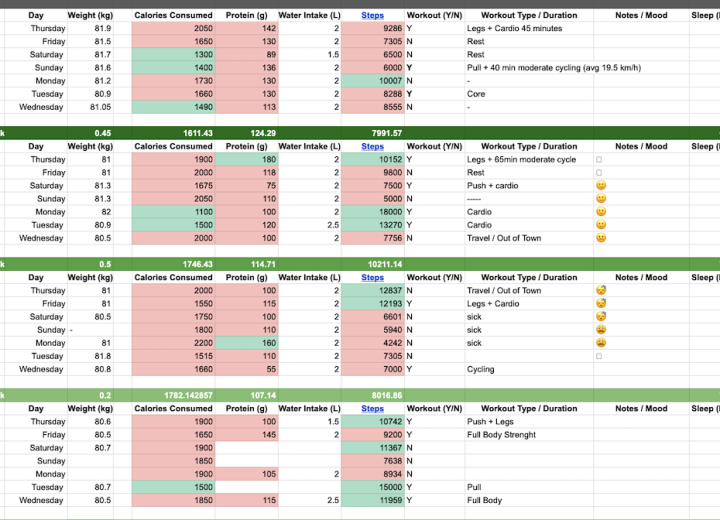
A useful rule is to focus on trends rather than single weigh-ins. Your weight can fluctuate because of salt intake, stress, sleep, menstrual cycle changes, and carbohydrate intake. Look at your average weight over several weeks, how your clothes fit, your training performance, and your energy levels.
What About Cellulite?
Cellulite is common and is not a sign that your body is unhealthy. It is influenced by genetics, hormones, skin structure, age, and where your body naturally stores fat. It can affect people at many different body sizes, including people who are lean and active.
It is also important to avoid misleading claims. Body fat is a normal tissue with important functions; it is not simply a collection of toxins. However, if you carry more body fat than you would like, improving your nutrition, activity levels, and strength can improve body composition over time. This is especially useful if your goal is to learn how to lose weight in winter without relying on extreme diets or quick fixes.
No single exercise, cream, or diet can guarantee that cellulite will disappear. But a balanced approach can help you feel stronger, move better, and become more confident in your body.
Build Habits That Last Beyond Winter
The most effective winter fat loss strategy is one you can continue in spring. Rather than aiming for perfection, aim for consistency.
A strong weekly routine might look like this:
- Strength training twice or three times per week.
- Two cardio sessions or long walks.
- A daily step target that fits your lifestyle.
- Protein and vegetables at most meals.
- Planned treats rather than unplanned overeating.
- Seven to nine hours of sleep where possible.
- A weekly review of what worked and what needs adjusting.
This approach may feel less dramatic than a strict diet, but it produces results that last.
Get Support With Online or 1:1 Coaching
If you are unsure how to lose weight in winter or struggle to stay consistent, coaching can give you structure and accountability. I create individual plans based on your goals, fitness level, schedule, equipment, and preferences.
You can choose online fat loss coaching from anywhere, or 1:1 personal training in Berlin if you prefer in-person guidance. Together, we can build a realistic winter routine that supports fat loss, strength, energy, and long-term health.
Winter will end. The question is whether you will arrive in spring feeling stronger and more confident—or starting from zero again. You do not need a perfect plan; you need a plan you can follow.
No matter where you live, you can book my training. I offer online sessions and 1:1 sessions for people in Berlin. The first training session is free. Contact me through the email form on my website and take the first step toward a healthier winter routine.