November 30, 2025
Depression and Motivation to Exercise: How to Break the Cycle

Depression and motivation to exercise are closely linked—yet often in ways that feel like a loop. When you are depressed, you have less energy, less interest in activities, and less confidence. This makes starting a workout routine feel almost impossible.
But here’s the key: movement is one of the most effective long-term tools for reducing depressive symptoms. Research consistently shows that exercise can improve mood, reduce anxiety, increase confidence, and regulate sleep—factors that strongly influence mental health.
Below you will find why this loop exists, how exercise helps the brain, and practical steps to build motivation even when energy is low.
Why Depression Makes Exercise Difficult
Depression affects both the body and the mind. Some common symptoms include:
-
low energy
-
lack of motivation
-
difficulty concentrating
-
reduced pleasure in activities
-
feelings of hopelessness
These symptoms make physical activity feel harder than usual. Even simple tasks like changing clothes or leaving the house can feel overwhelming. This is why many people become stuck:
Low mood → No energy → No exercise → Worsening mood
Breaking this cycle requires small steps, structure, and support.
Depression and Motivation to excersize: What the Data Shows
While exercise is not a replacement for medical treatment in severe depression, multiple studies have shown that:
-
Regular exercise can reduce symptoms of mild to moderate depression as effectively as psychotherapy or medication in many cases.
-
Just 10–30 minutes of movement can release endorphins and raise serotonin levels.
-
Exercise improves sleep quality, which directly affects mood stability.
-
Movement increases neuroplasticity, helping the brain adapt and recover from stress.
-
People who exercise regularly experience up to a 30% lower risk of developing depressive episodes (data from long-term observational studies).
In other words: the body can help the mind, even before motivation shows up.
2026 Update: New Research on Exercise, Depression, and Motivation
The latest evidence from 2026 reinforces the idea that exercise is one of the most effective lifestyle interventions for depression. A major updated review of clinical trials found that regular physical activity can meaningfully reduce depressive symptoms across different age groups and fitness levels. Researchers also found that people do not need intense workouts to experience benefits. Moderate activities such as walking, cycling, resistance training, and yoga consistently improved mood, energy levels, and overall psychological well-being. Importantly, recent studies highlight that motivation often increases after exercise begins rather than before it starts.
Even short sessions of movement can create positive changes in brain chemistry, helping individuals build momentum and gradually break the cycle of depression, inactivity, and low motivation. These findings support a simple but powerful message for 2026: starting small is often enough to begin improving both mood and motivation.
Discipline vs. Motivation: Why You Should Start Small
One of the biggest misunderstandings about getting active during depression is believing you must “feel motivated.”
But motivation usually comes after you start, not before.
This is where discipline, structure, and realistic expectations matter.
Helpful strategies include:
-
Start with 5 minutes instead of a full workout.
-
Choose activities that require low mental effort, like walking or stretching.
-
Schedule exercise at the same time each day to create routine.
-
Focus on consistency, not intensity.
-
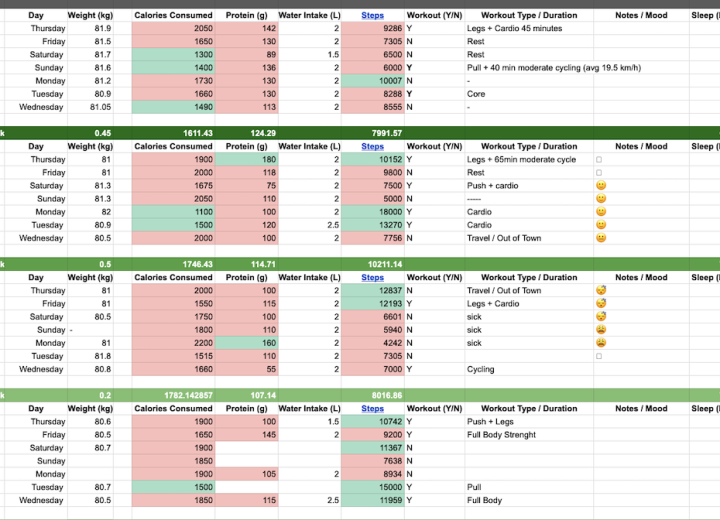
Track your progress to reinforce positive feelings.
Even small amounts of movement can gradually rebuild energy and help with depression and motivation to excersize. Think of it as training your brain—just like training your muscles.
What Type of Exercise Helps Most?
You don’t need extreme workouts. In fact, gentle and moderate exercises show some of the strongest effects on mood.
Effective options include:
1. Walking
Accessible and low pressure. Even 10 minutes can improve mood.
2. Strength Training
Boosts confidence and produces strong long-term improvements in depressive symptoms.
3. Yoga or Mobility Work
Reduces stress hormones and improves body awareness.
4. Cardio (cycling, jogging, swimming)
Raises endorphins and supports cardiovascular health.
The best workout is the one you can realistically repeat. Consistency is far more important than intensity.
When Exercise Feels Impossible
If depression severely affects daily functioning, motivation may be extremely low. Here are strategies to begin gently:
-
Pair exercise with something you already do (habit stacking).
-
Walk indoors or around your home if going outside feels too hard.
-
Ask a friend or trainer for accountability.
-
Use light routines like bodyweight movements or guided follow-along videos.
Remember: you don’t need to feel good to start exercising. But starting can help you feel better.
Why Exercise Can Be More Effective Than Therapy for Mild Depression
For mild to moderate depression, some studies report that physical activity produces benefits comparable to psychotherapy—and sometimes faster.
Exercise:
-
regulates dopamine and serotonin
-
reduces inflammation
-
increases self-efficacy
-
produces immediate mood-enhancing effects
-
builds long-term resilience
While therapy and medication are extremely valuable, movement is a powerful complementary tool and, in some cases, a primary one.
Final Thoughts: Breaking the Depression–Exercise Loop
Depression makes motivation to exercise difficult—but exercise is one of the strongest tools for improving depressive symptoms.
Start with small steps, focus on consistency, and understand that the long-term results come from repeated effort, not perfect motivation.
If you need support building a sustainable routine, working with a personal trainer or coach can make the process easier, more structured, and more enjoyable. Feel free to contact me HERE
READ THE ARTICLE: Exercise vs Antidepressants: Which Works Better for Depression?