July 24, 2025
Fitness for Stress Relief: How Moving Your Body Calms Your Mind

Why Fitness Helps with Stress Management
Stress affects your entire body—muscles tense, sleep becomes difficult, and your mind feels overloaded. But regular fitness training offers one of the most effective natural remedies.
Here’s how training helps relieve stress:
-
Reduces cortisol (stress hormone)
-
Increases endorphins (feel-good chemicals)
-
Improves sleep and energy levels
-
Enhances focus, clarity, and emotional balance
-
Provides a healthy outlet for frustration and anxiety
Whether it’s strength training, cardio, or yoga—fitness helps both your body and brain work better under pressure.
What Type of Training Is Best for Stress Relief?
The good news is that any form of fitness can reduce stress. The key is to stay consistent and choose what feels right for you.
1. Cardio
-
Examples: walking, jogging, cycling, swimming
-
Benefits: boosts circulation, increases stamina, clears the mind
-
Ideal for: anxious energy, mental fatigue, mood dips
2. Mind-Body Fitness
-
Examples: yoga, Pilates, tai chi
-
Benefits: reduces anxiety, improves breath control, enhances calm
-
Ideal for: overthinking, insomnia, emotional overwhelm
3. Strength Training
-
Examples: weightlifting, resistance bands, bodyweight training
-
Benefits: builds confidence, stabilizes mood, supports hormonal balance
-
Ideal for: low self-esteem, mental tension, burnout
Simple Fitness Routine You Can Do at Home (No Equipment)
This quick full-body fitness circuit can be done in 15–20 minutes.
| Exercise | Time |
|---|---|
| Bodyweight squats | 1 min |
| Pushups (or knee pushups) | 1 min |
| Plank hold | 30 sec |
| Jumping jacks | 1 min |
| Standing stretches (cool-down) | 2 min |
Tip: Repeat the circuit twice, and finish with deep breathing to maximize stress relief.
Fitness Trends in 2026: Smarter Stress Relief Through Movement
In 2026, fitness is becoming more connected to mental wellness than ever before. Many people are now using workouts not only to improve physical health, but also to manage stress, anxiety, and emotional fatigue caused by modern lifestyles.
New fitness trends focus on sustainable movement instead of extreme training. Recovery-based workouts, low-impact cardio, mobility exercises, and guided breathwork sessions are gaining popularity because they help calm the nervous system while still improving overall fitness.
Wearable fitness technology has also evolved in 2026. Smartwatches and fitness apps now track stress levels, sleep quality, heart rate variability (HRV), and recovery status in real time. This allows users to choose workouts based on how their body and mind feel each day, helping prevent burnout and overtraining.
Experts now recommend combining movement, recovery, hydration, and sleep habits for better long-term stress management. Even short daily workouts can significantly improve mood, focus, and emotional resilience when done consistently.
Weekly Plan for Stress Relief
| Day | Workout Type | Duration |
|---|---|---|
| Monday | Cardio walk or jog | 30 min |
| Tuesday | Yoga or Pilates | 20 min |
| Wednesday | Strength training | 25 min |
| Thursday | Rest or stretching | — |
| Friday | Cardio intervals | 20 min |
| Saturday | Fun activity (dance, hike, swim) | 30+ min |
| Sunday | Light movement + breathwork | 15 min |
Tips for Sticking to Your Fitness Routine
-
Set small goals: 10 minutes a day is a great start
-
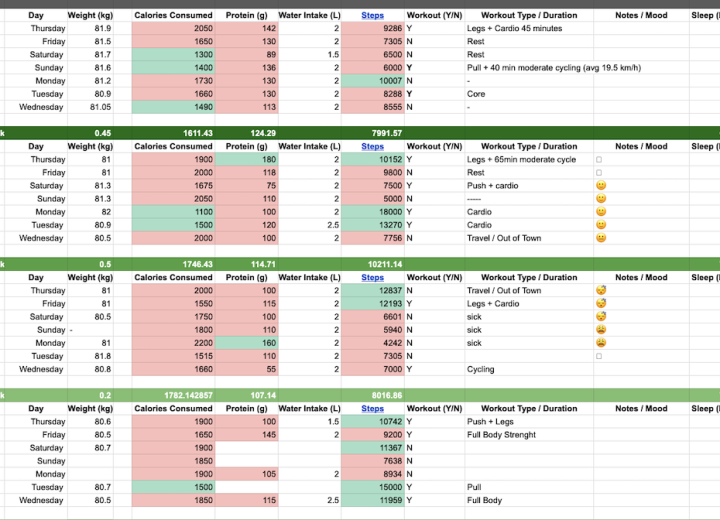
Track progress: Use a journal or fitness app
-
Celebrate wins: Focus on how you feel, not just results
-
Mix it up: Try different styles to stay motivated
-
Listen to your body: If you’re tired or overwhelmed, choose lighter movement
How Fitness Supports Mental Health in 2026
Recent research in 2026 continues to show a strong connection between regular fitness routines and improved mental health. Exercise helps regulate hormones linked to stress and supports the production of dopamine and serotonin, which are associated with motivation, happiness, and emotional balance.
Fitness is also being used more frequently alongside mindfulness practices such as meditation, breathwork, and digital detox routines. Many trainers and wellness professionals now encourage “mindful movement,” where people focus on breathing, posture, and body awareness during exercise to reduce mental overload.
Another growing trend in 2026 is “micro workouts” — short 5–10 minute exercise sessions spread throughout the day. These quick movement breaks help reduce stress from long work hours, screen time, and sedentary lifestyles while improving concentration and energy levels.
The most effective fitness routine for stress relief is one that feels enjoyable and sustainable. Consistency matters more than intensity, especially when mental wellness is the goal.
Final Thoughts
Fitness is more than just physical—it’s a powerful tool for managing stress, boosting confidence, and improving your mental health. When you move your body regularly, you release tension, improve your mood, and feel more resilient against life’s daily challenges.
Start small, stay consistent, and make fitness a key part of your self-care routine.