October 10, 2025
Transform Your Body After 40 with a Middle-Age Fitness Coach
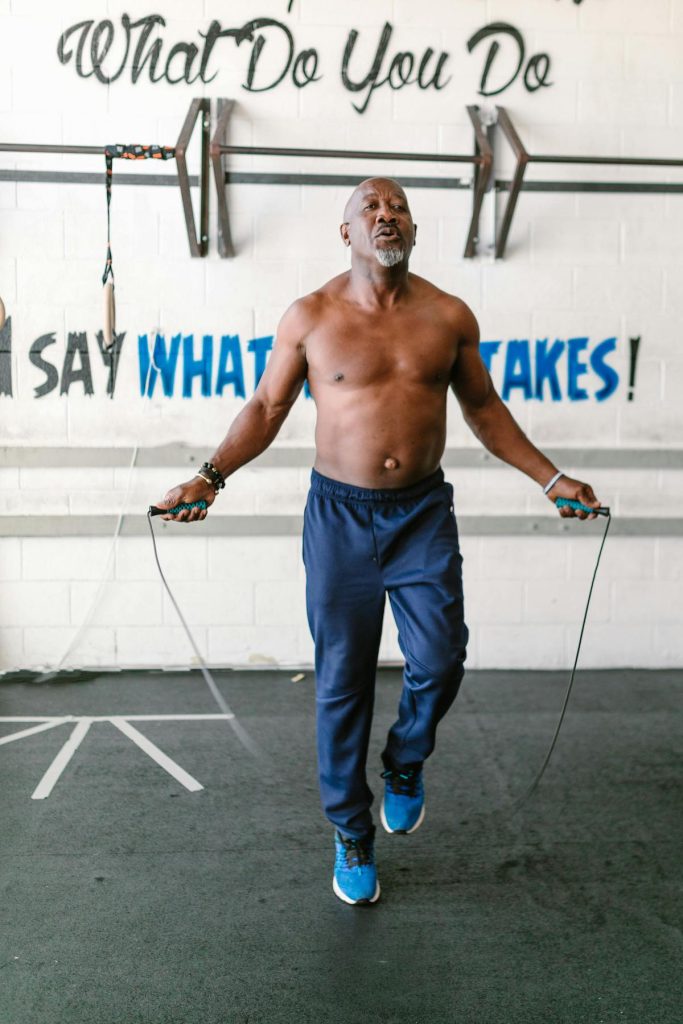
Do you want to feel and look better as you move through middle age and beyond? You absolutely can — but it’s not just about wanting it. It requires consistent action. This morning, as soon as I finish writing, I’ll head straight to my workout. I understand not everyone can train first thing in the morning—and that’s okay. You can train anytime that fits your schedule. But as a middle age fitness coach, my priority is always to get my training in whenever possible.
Everyone wants to feel great, look fitter, and turn back the clock—at least a little. Imagine you’re 47, and people try to guess your age—but they just don’t believe it. I sometimes pull out my ID just for fun to prove it.
What’s the difference between those who transform and those who don’t? It’s the decision to act. Let me walk you through how you can make that choice count.
Why Middle Age Is a Turning Point
-
Metabolism shifts. After your 30s, metabolic rate gradually slows, making fat gain easier and muscle harder to maintain.
-
Hormonal changes. For both men and women, hormonal levels change, impacting energy, recovery, and body composition.
-
Lifestyle constraints. Jobs, families, and routines often make consistency harder—but also more necessary.
-
Opportunity. A well-designed plan now has a huge payoff: better posture, joint health, strength, confidence, and longevity.
As a middle age fitness coach, I specialize in designing plans that respect your life demands while pushing results.
5 Steps to Look & Feel Better After 40
1. Decide & Commit: Wanting Isn’t Enough
Every transformation starts with a mindset. You must decide, with real resolve, that you will prioritize your health. Write it down. Make it public. Schedule your sessions.
2. Train Smart, Not Just Hard
Especially in middle age, the quality of your workouts matters more than brute volume. Focus on:
-
Full-body strength training 2–4x per week
-
Mobility, flexibility, and joint health work
-
Adequate rest and recovery
-
Progressive overload (small but steady increases in load or intensity)
3. Nutrition & Recovery as Non-Negotiables
Your training will only be as effective as your nutrition, sleep, and stress management. Emphasize:
-
Protein intake (for muscle repair)
-
Caloric balance (don’t underfuel)
-
Sleep (7–9 hours)
-
Active recovery (walking, mobility, stretching)
4. Consistency Over Perfection
Missed one session? That’s okay. What matters is returning tomorrow. Show up. The compounding effect of consistent effort is what leads to lasting change.
5. Measure & Adjust
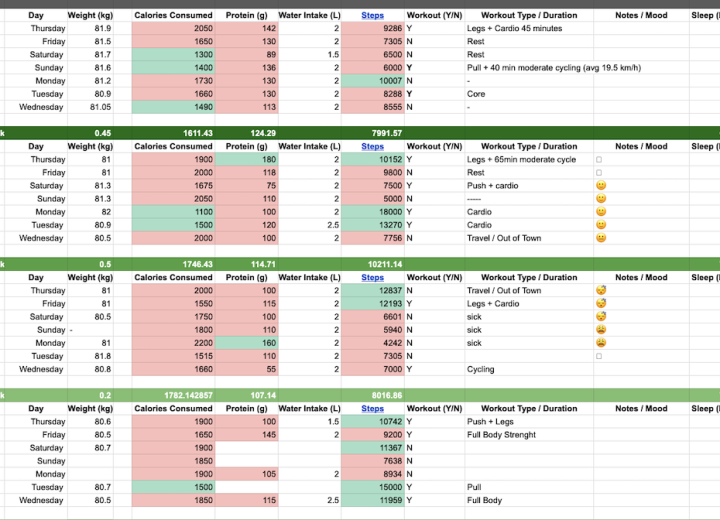
Track your progress intelligently: strength gains, body measurements, energy, and mood. Use this feedback to adjust training, nutrition, and rest. Don’t stay stagnant.
Your Personal Roadmap — Why It Works
You don’t need to train like an 18-year-old. You need a sustainable, effective plan built for your current physiology and lifestyle. As your middle age fitness coach:
-
I craft workouts tailored to your strengths, weaknesses, and goals
-
I monitor your feedback (energy, soreness, mood)
-
I adapt as we go — avoiding plateaus and burnout
-
I coach you beyond exercise — mindset, habits, daily movement
If you’re ready to feel stronger, leaner, more energetic—and prove to yourself (and others) that age is just a number—let’s talk. Book a free consultation with me. We’ll map a doable plan tailored for you.
2026 Fitness Trends for Adults Over 40: What’s Changing?
In 2026, fitness for adults over 40 is becoming less about extreme workouts and more about sustainable performance, healthy aging, and long-term strength. More people are prioritizing resistance training, mobility work, and recovery strategies designed to preserve muscle mass, support joint health, and maintain energy levels as they age. The goal is no longer simply losing weight—it’s building a stronger, more resilient body that can support an active lifestyle for decades to come.
As a middle-aged fitness coach, I’ve seen firsthand that the most successful transformations come from following a balanced approach. Strength training remains the foundation, but recovery practices such as quality sleep, stress management, walking, and flexibility training are receiving more attention than ever before. Many adults over 40 are also using fitness tracking tools to monitor progress, improve consistency, and stay accountable without becoming obsessed with numbers.
The biggest lesson from 2026 fitness trends is simple: sustainable habits outperform short-term intensity. A realistic training plan that fits your lifestyle will always produce better long-term results than an aggressive program you can’t maintain. By focusing on consistency, recovery, and progressive improvement, you can continue building strength, confidence, and vitality well beyond your 40s, 50s, and beyond.
Final Thoughts
You don’t need to wait for Monday, the new year, or a perfect time. Start now. The best time to invest in your body was yesterday; the next best time is today.