July 17, 2025
Stress Management Through Fitness: Why Staying Active Is More Important Than Ever

In today’s fast-paced, technology-driven world, stress management has become a critical aspect of maintaining overall health. While we sit for hours at desks and juggle work and personal responsibilities, many people overlook a simple yet powerful stress relief tool—physical activity.
The Modern Lifestyle: Convenient Yet Costly
With the rise of remote work and office-based jobs, our lifestyles have become increasingly sedentary. It’s easier than ever to stay indoors and be inactive. Although convenience has its perks, it also comes with hidden downsides—stress buildup, poor posture, and declining physical health.
One of the most common excuses I hear is: “I don’t have time to work out.” While it may seem valid at first, the root issue often lies in procrastination, poor time management, or even a lack of self-honesty. Stress management starts with acknowledging these barriers and making intentional lifestyle changes.
Stress Management in 2026: Why Movement Matters More Than Ever
In 2026, stress management has become one of the biggest health priorities for people balancing demanding careers, digital overload, and constant connectivity. Many professionals spend long hours sitting, switching between screens, meetings, and notifications with very little physical movement throughout the day.
This modern lifestyle places both the body and mind under continuous pressure. As stress levels rise, many people experience fatigue, poor sleep, anxiety, low motivation, and difficulty concentrating. One of the most effective ways to counter these challenges is through regular physical activity.
Fitness plays a major role in stress management because movement helps regulate hormones, improve focus, and release mental tension built up during the day. Even moderate exercise can improve energy levels, emotional balance, and overall mood.
In 2026, more people are shifting away from extreme fitness trends and focusing on sustainable health habits such as:
Daily movement and mobility exercises
Strength training for long-term health
Walking and outdoor activity for mental clarity
Recovery-focused routines that reduce burnout
The goal is no longer perfection — it’s building a healthier lifestyle that supports mental and physical well-being over time.
My Journey With Fitness and Stress Management
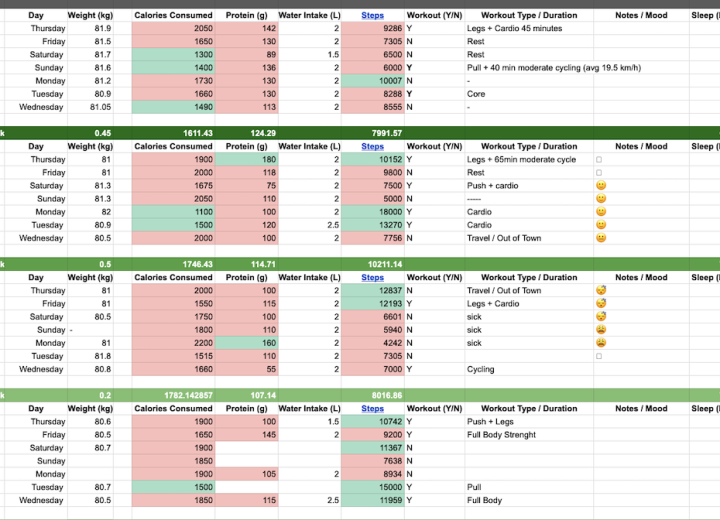
Since a young age, I’ve prioritized physical activity and integrated workout routines into my weekly schedule. Even during times of intense job duties, family responsibilities, or personal struggles, I’ve stayed committed to my fitness journey.
Why? Because staying active doesn’t just benefit your body—it’s essential for your mental well-being. Regular exercise helps regulate mood, improve sleep, and reduce anxiety levels. It also boosts self-confidence, which can be crucial when dealing with everyday stressors.
Why Consistency Beats Intensity
One of the biggest benefits of maintaining a consistent routine is that you never have to start over. There’s no need to “get back in shape” if you’ve stayed in shape. That consistency pays off, especially as you age and life becomes more demanding.
Another overlooked aspect is how fitness enhances physical appearance. In today’s image-conscious world, feeling good about how you look can be a powerful mood booster and confidence builder—another way to keep stress at bay.
How Fitness Supports Long-Term Stress Management
One of the biggest changes in 2026 is that people are beginning to understand the direct connection between physical fitness and mental resilience. Exercise is no longer viewed only as a way to improve appearance — it’s also recognized as an essential tool for stress management and emotional stability.
Regular workouts create structure, discipline, and consistency, which can help reduce feelings of overwhelm and improve daily productivity. Physical activity also encourages healthier routines in other areas of life, including sleep quality, nutrition, and recovery.
Another important factor is confidence. When people feel physically stronger and healthier, they often become more confident in handling challenges at work and in personal life. This positive mindset can significantly improve how stress is managed over the long term.
Fitness-based stress management is effective because it supports:
Mental clarity and focus
Better sleep and recovery
Reduced anxiety and tension
Higher energy and motivation levels
Improved self-confidence and emotional balance
By making fitness part of your routine, you create a long-term strategy for managing stress naturally and sustainably in a demanding modern world.
The 3 Pillars of My Fitness Philosophy
When it comes to stress management through fitness, I focus on three key principles:
-
Consistency – Small, regular workouts beat occasional intense ones.
-
Balanced Diet – What you eat fuels both your body and your brain.
-
Recovery & Mobility – Rest is just as important as effort.
Whether you’re in your 30s, 40s, or beyond, it’s never too late to adopt healthy habits. Fitness is not about perfection—it’s about progress, sustainability, and mindset.
Ready to Take Control of Your Stress?
If you want to learn how to build a sustainable workout routine that fits your busy schedule and helps with long-term stress management, I’d love to help. Let’s create a plan that supports your goals, keeps you motivated, and helps you feel your best—mentally and physically.