July 27, 2025
Walking Challenge Day 1 – Starting Strong with 20,000 Steps
I’ve kicked off a 7-day walking challenge, aiming to hit 20,000 steps every day from Sunday to Sunday. I’ll be using my mobile phone to track steps, making sure that only outdoor steps count—no pacing around the apartment! This adds a layer of difficulty, but also ensures that all movement is purposeful and cardio-effective.
Despite the challenge, I won’t be skipping my usual training. My regular weekly routine includes three gym sessions for weightlifting, one Thai Boxing session with sparring, and one dedicated cardio day where I jog for 30 minutes. It’s going to be an intense week, but I’m excited to push myself further.

Nutrition and Recovery During the Challenge
For fuel, I stick to two main meals daily that include chicken, eggs, and veggies. Post-training, I have a protein shake with creatine to support muscle recovery. I might tweak things a bit to bump up my protein intake during this walking challenge, depending on how I feel throughout the week.
Day 1 Recap: Starting Strong
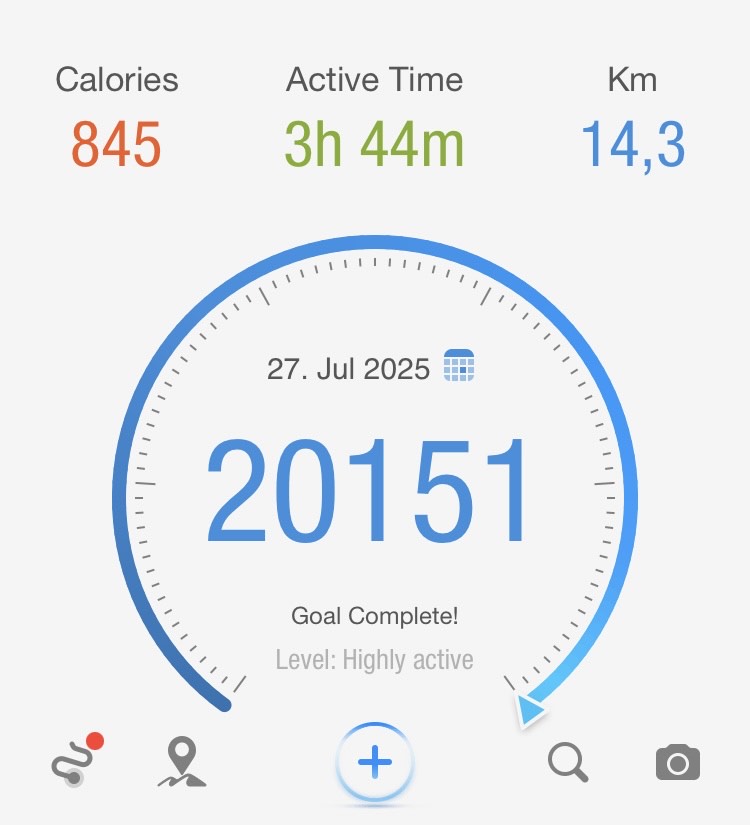
Day one of the walking challenge went smoothly. I got in about 5,000 steps in the morning on the way to the gym, with the remaining steps done in the late afternoon. According to the tracking screenshot, the total walking duration was 3 hours and 44 minutes. If I had a smartwatch, the goal might have been easier since it would count indoor steps at the gym or at home. But part of the challenge is staying consistent and intentional—short distances don’t really get you into the cardio zone unless you walk for at least 6–10 minutes continuously.
I anticipate that tomorrow will be tougher. My schedule is packed, so I’ll have to get creative to hit my step goal without compromising my work and training.
Why Take on a Walking Challenge?
A walking challenge is more than just hitting a step goal—it’s a structured way to build endurance, improve cardiovascular health, and increase daily calorie expenditure. Walking at a brisk pace daily can improve your mood, reduce stress, and even boost creativity, especially when done outdoors.
Participating in a walking challenge also helps develop discipline and consistency. Whether you’re a fitness enthusiast or just starting out, walking is one of the most accessible forms of physical activity. It’s low-impact, requires no special equipment, and can be adapted to any fitness level. Over time, consistent walking can lead to better posture, stronger muscles, and long-term health benefits.
Walking Challenges in 2026: Why Daily Steps Matter More Than Ever
In 2026, walking challenges have become one of the most popular fitness trends for improving both physical and mental health. Many people are moving away from extreme workout programs and focusing more on sustainable daily movement that supports long-term wellness.
Fitness experts now emphasize daily step goals as a practical way to combat sedentary lifestyles caused by remote work, screen time, and reduced physical activity. Walking regularly can help improve cardiovascular health, increase calorie burn, support joint mobility, and reduce stress levels without placing excessive strain on the body.
Modern fitness apps and wearable devices also make step tracking easier and more accurate than ever. Many people now use walking challenges to stay motivated, improve consistency, and build healthier habits over time.
Even short walking sessions throughout the day can improve energy levels, focus, and recovery from intense gym training or sports activities.
Ready to see how the challenge continues? Read Walking Challenge Day 2 – How I Hit 20,000 Steps on a Busy Day