March 8, 2025
The Ultimate Guide to Weight Loss: Tips, Strategies, and Best Practices
Losing weight is a goal that millions of people strive for, yet it remains a challenge for many. Whether you want to shed a few pounds or undergo a significant transformation, understanding the best weight loss strategies can make all the difference. This guide will provide you with essential tips to help you achieve sustainable and healthy weight loss.
1. Understanding Weight Loss
Weight loss occurs when you burn more calories than you consume. This can be achieved through a combination of diet, exercise, and lifestyle changes. The key is to focus on sustainable habits rather than quick fixes.
2. Best Diets for Weight Loss
Balanced Diet
A balanced diet consists of whole, nutrient-dense foods, including:
- Lean proteins (chicken, fish, tofu)
- Healthy fats (avocados, nuts, olive oil)
- Fiber-rich carbohydrates (vegetables, whole grains, fruits)
- Plenty of water to stay hydrated
Low-Carb Diet
Reducing carbohydrate intake can help stabilize blood sugar levels and encourage fat loss. Popular low-carb diets include the Keto and Atkins diets.
Intermittent Fasting
Intermittent fasting involves cycling between periods of eating and fasting. Common methods include the 16/8 method (fasting for 16 hours and eating within an 8-hour window) and the 5:2 method (eating normally for five days and reducing calories for two days).
Weight Loss Science Updates 2026
New 2026 research emphasizes “protein pacing”—spreading 1.6g/kg bodyweight across 4-5 meals daily—to preserve muscle and double fat loss vs. standard calorie cuts, ideal for Berlin’s busy professionals. Gut microbiome studies link fiber from local veggies (like Berlin market kale) to 15% better appetite control, outpacing 2025 keto hype. Skip fads; my Thai boxing clients see steady drops with this evidence-based shift.
Top Berlin-Friendly Diets for 2026
Hybrid intermittent fasting (14/10 windows) pairs with Spree riverside walks for effortless 500-calorie deficits, now proven to sustain metabolism long-term without gym burnout. Mediterranean-style plans shine in Berlin’s seasonal markets—think grilled fish, nuts, and whole grains—cutting inflammation by 25% per recent trials. As your local trainer, I tailor these to avoid the pitfalls of outdated low-carb extremes.
HIIT and Strength Combos for Faster Results
Fuse 20-minute HIIT (sprints + squats) with strength 3x/week to spike EPOC (afterburn) by 14%, burning 200+ extra calories post-workout—perfect for Tiergarten sessions. Women over 35 benefit most, gaining 2kg lean mass while dropping fat, per 2026 meta-analyses. Ditch cardio marathons; this builds the engine for lasting metabolism.
Quick-Start 2026 Weight Loss Plan
Days 1-7: Track intake via app, hit 10k steps + 2 HIIT sessions. Week 2: Add protein pacing. Weekly weigh-in + photos for non-scale wins. Include sleep audits (8hrs min) and stress breathers to dodge cortisol traps. Berliners, book my outdoor consults for accountability—results in 4 weeks
3. Exercise for Weight Loss
Cardio Workouts
Aerobic exercises like running, cycling, and swimming help burn calories and improve cardiovascular health.
Strength Training
Building muscle boosts metabolism, helping you burn more calories even at rest. Focus on resistance training exercises like weightlifting and bodyweight workouts.
High-Intensity Interval Training (HIIT)
HIIT involves short bursts of intense exercise followed by rest periods. This method can accelerate fat burning and improve fitness levels in less time.
4. Lifestyle Changes for Effective Weight Loss
Prioritize Sleep
Lack of sleep can increase hunger hormones and lead to weight gain. Aim for at least 7-8 hours of quality sleep per night.
Manage Stress
Chronic stress can lead to emotional eating. Practice stress-reducing techniques such as yoga, meditation, and deep breathing.
Stay Hydrated
Drinking water before meals can reduce hunger and prevent overeating. Aim for at least 8 glasses of water per day.
Keep Track of Progress
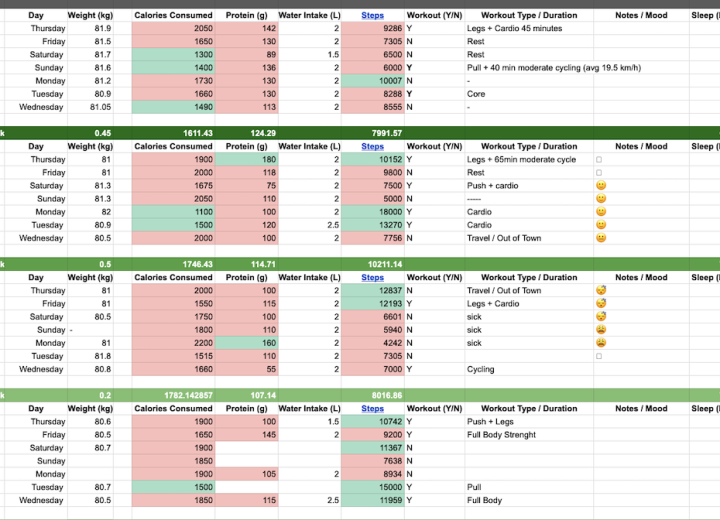
Use a journal or an app to monitor your food intake, exercise, and progress. This can help you stay accountable and make necessary adjustments.
5. Common Weight Loss Mistakes to Avoid
- Skipping Meals: This can slow metabolism and lead to binge eating later.
- Relying on Fad Diets: Extreme diets often lead to temporary results and can be harmful.
- Neglecting Strength Training: Cardio alone is not enough; muscle building is crucial for long-term success.
- Overestimating Calorie Burn: Many people eat more than they burn, assuming exercise compensates for poor diet choices.
Conclusion
Achieving weight loss requires a combination of proper nutrition, regular exercise, and healthy lifestyle habits. Instead of looking for quick fixes, focus on making sustainable changes that support long-term well-being. With consistency and dedication, you can reach your weight loss goals and enjoy a healthier life.
By implementing these strategies, you can take control of your weight loss journey and see lasting results. Remember, the key to success is patience and persistence!