July 31, 2025
Walking Challenge Day 5 – Simple Workouts and Zero Excuses
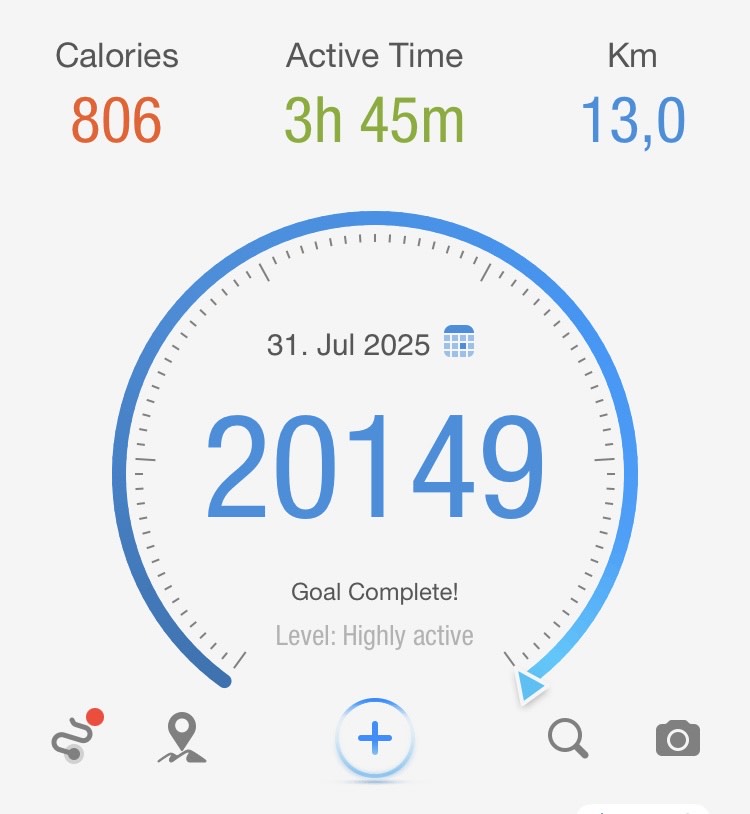
I’m on Day 5 of my 7-day walking challenge, still keeping my step count above 20,000. Today came with a twist—rain. The biggest obstacle wasn’t physical; it was the weather. I had to find dry periods during the day to complete the walking in four parts—7,000 steps early on, then the rest split into three more segments. It’s days like these that prove the power of simple workouts and flexible routines—no gym needed, just movement and discipline.
This is where creativity and consistency matter. I often hear people say, “I don’t have time to exercise. I work, I have kids, by the time I’m done, it’s already late.” Honestly, that’s just an excuse. You don’t need two hours a day or a fancy gym setup. Sometimes, simple workouts—even 20 to 30 minutes at home—can be just as effective if done with focus and intensity. What matters is that you move, consistently, and stop overcomplicating the process.

The Body Adapts if You Stay Consistent
Surprisingly, I feel great—even after yesterday’s 1.5-hour Thai Boxing sparring session. No soreness, no loss of energy. This proves how quickly the body adapts when you stick to a plan. My diet remains consistent, mainly based on animal proteins, vegetables, and occasional extra meals to support the increased workload.
This level of activity would usually leave most people drained, but thanks to my routine, recovery, and simple but consistent training structure, I’ve been able to maintain performance without burning out.
Why Simple Workouts Actually Work
People often assume that to get in shape, you need complex routines, gym memberships, or endless hours of training. But the truth is, simple workouts—done regularly—are more than enough to build strength, burn fat, and improve endurance. Brisk walking, bodyweight exercises, or short interval sessions at home can be incredibly effective if performed with intent.
The problem isn’t the lack of equipment or time—it’s the mindset. People make fitness harder than it needs to be, chasing perfection instead of just starting. You don’t need perfect conditions to make progress. You need consistency, discipline, and a willingness to move, even when life isn’t convenient.
How Simple Workouts Build Long-Term Fitness
One of the biggest mistakes people make with fitness is believing that results only come from complicated programs or intense gym sessions. In reality, simple workouts are often the most sustainable because they are easier to repeat consistently. Walking daily, doing bodyweight exercises at home, or completing short training sessions several times a week can create significant physical and mental changes over time.
The key factor is consistency. Many people spend more time searching for the “perfect” workout than actually moving their bodies. But fitness does not require perfection. A 30-minute walk, a quick home circuit, or a short mobility session is always better than doing nothing. Small actions repeated every day eventually produce major results.
Another advantage of simple workouts is flexibility. You can adapt them around work, family responsibilities, weather, or energy levels without completely abandoning your routine. That flexibility makes it easier to stay disciplined long term. Instead of relying on motivation or ideal conditions, you build habits that fit into real life.
This walking challenge continues to prove that fitness success is less about complexity and more about commitment. Even on rainy days or busy schedules, finding a way to move matters. The body adapts surprisingly fast when you stay active consistently, recover properly, and stop making excuses.
Conclusion
Day 5 reinforced an important lesson: fitness does not need to be complicated to be effective. Simple workouts, daily movement, and consistent effort are enough to create real progress when repeated over time. Most barriers people face are not physical limitations but mental ones—waiting for the perfect moment, perfect routine, or perfect conditions before taking action.
The reality is that sustainable fitness is built through small daily choices. Walking more, training regularly, eating better, and staying active even during busy or inconvenient days all contribute to long-term results. This challenge continues to show that discipline, adaptability, and consistency matter far more than expensive equipment or complicated programs.
At the end of the day, the best workout is the one you actually do consistently. That mindset is what turns simple workouts into lasting results.
Yesterday, I focused on discipline in fitness. Read Day 4 here to see how mindset shapes performance.
Missed the beginning? Start with Walking Challenge Day 1