August 1, 2025
Walking Challenge Day 6 – Caloric Balance and Smart Eating
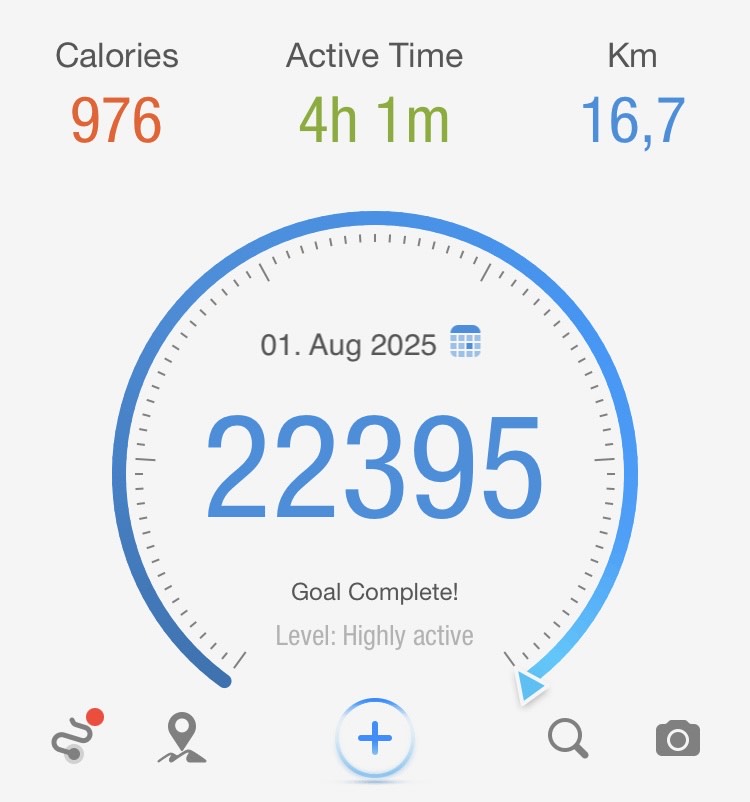
I’m on the 6th day of my 7-day walking challenge, aiming for 20,000-plus steps daily. For the second day in a row, Berlin has been hit with rain showers, making it tough to coordinate walks around dry windows of time. Despite the inconvenience, I stuck with it. Simple workouts like walking remain doable—even under bad weather—with just a bit of planning and attention to caloric balance to keep energy levels steady.
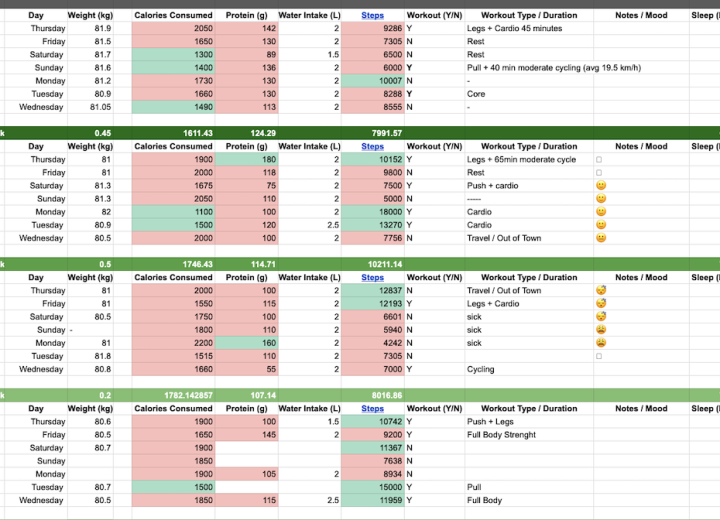
Cravings are becoming stronger, and physical tiredness is building, but nothing beyond what I anticipated. I also noticed a minor weight drop of about half a kilogram for the second time—likely a fluctuation in body fluids rather than real fat loss. I’ll compare everything more precisely once the challenge wraps.

Managing Energy Through Smart Nutrition
There are two key takeaways I want to highlight today. First, when your activity level increases, so should your calorie intake—but this must be done with intention. It’s not about snacking randomly or choosing junk food. Instead, think caloric balance: add meals that support recovery, boost endurance, and help manage fatigue or sleep deprivation. Whether it’s lean protein, complex carbs, or healthy fats, every extra bite should serve a purpose.
Second, you need to be careful when stepping outside your standard diet. Once your body gets a taste of highly palatable foods—or simply larger quantities—it may want more than it needs. This is where control and discipline come into play. Cravings triggered by high-carb foods can lead to overeating if you’re not mindful. High protein intake, on the other hand, helps keep hunger in check. And if you do go overboard for a day or two, just reset—don’t dwell on it.
Quality Over Quantity When Eating More
On days with heavy activity, your body will demand more energy—but that doesn’t mean giving in to poor food choices. You can support your training and recovery with quality nutrients: extra eggs, lean meat, healthy fats like nuts or avocado, or complex carbs like oats or potatoes. What you want to avoid is the slippery slope of giving your body more than it needs just because it’s asking.
Often, exhaustion confuses hunger cues. You might feel starved, but what you need is rest, hydration, or structured nutrition—not a binge. Mastering this awareness is part of building discipline, and it’s crucial to long-term success.
Caloric Balance
One of the biggest misconceptions about fat loss is that more activity automatically means faster results. In reality, the body adapts quickly by increasing hunger and, in some cases, reducing spontaneous movement during the rest of the day. This is why caloric balance remains more important than exercise alone. Recent research continues to show that protein intake is particularly valuable during periods of increased activity, helping to preserve muscle mass, improve recovery, and reduce hunger. Equally important is recognizing the difference between physical hunger and reward-driven cravings. After several days of high activity, the temptation to “earn” extra treats can be strong, but long-term progress is usually determined by consistent food choices rather than a few intense workout days. Staying mindful of these signals is often what separates sustainable habits from short-term bursts of motivation.
Day 5 focused on rainy-day persistence and the power of simple workouts — read it here.
Missed the beginning? Start with Walking Challenge Day 1