July 29, 2025
Walking Challenge Day 3 – Managing Fatigue and Optimizing Protein Intake
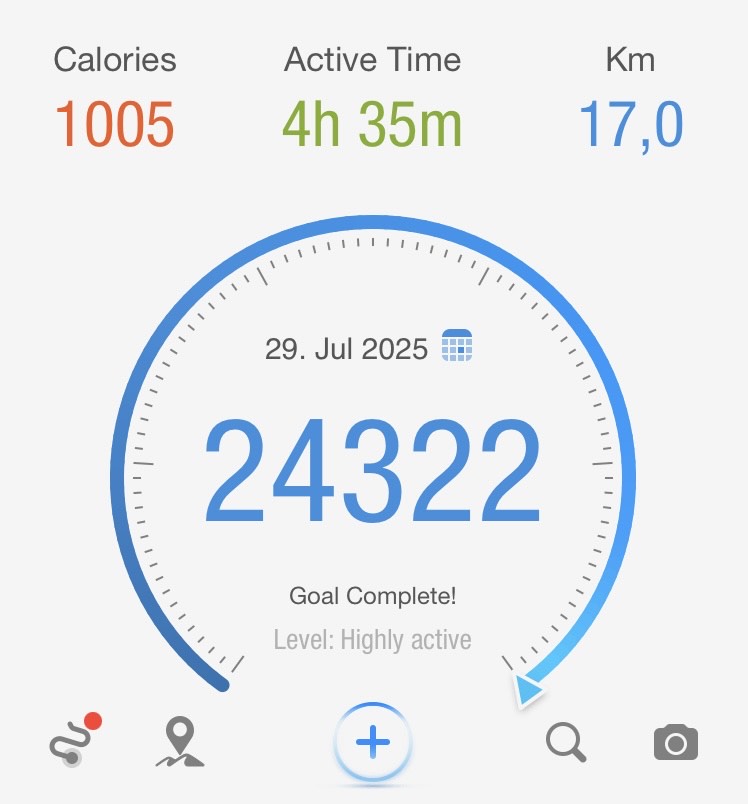
Today marks Day 3 of my walking challenge, and for the first time, I started to feel the effects. With only six hours of sleep last night—an hour less than my usual—I noticed a clear drop in energy throughout the day. There wasn’t a specific reason for waking up early, but the lack of rest led to more noticeable fatigue and an increase in food cravings, which I had to manage carefully to stay on track with my routine and protein intake.
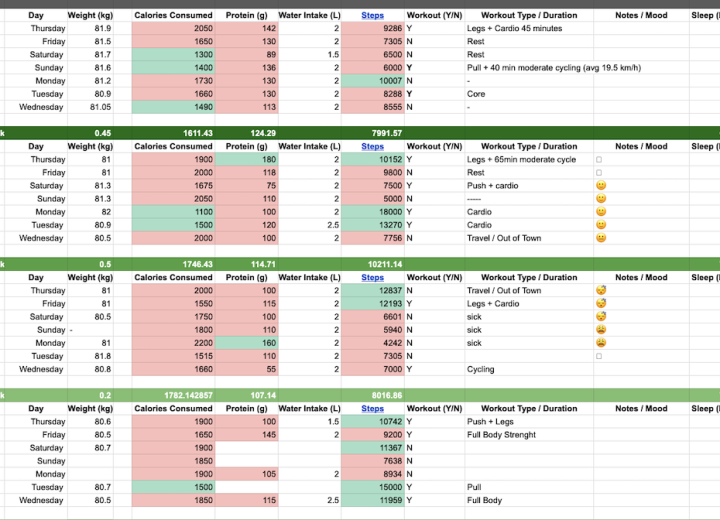
To manage the cravings, I added a small extra meal—a chicken sandwich—which helped stabilize things. I also noticed some foot fatigue during walking sessions, but the rest of my body feels fine. The scale still shows the same weight, though I’m eating slightly more than usual—roughly a few hundred extra calories per day.

Nutrition Focus: Protein Intake and Adjustments
My protein intake remains the core of my nutrition strategy. As outlined in earlier posts, my primary protein sources are animal-based—mostly eggs, chicken, and shakes. For carbs, I take dates or something similar after the main meals. Today, I added around 100 grams of peanuts to vary things a bit. This addition did not replace my usual protein sources—it simply added some extra plant-based nutrients.
I aim for a daily protein intake of around 1.2 to 1.5 grams per kilogram of body weight. If I go above that range, I don’t mind—especially during a challenge like this, where recovery is critical. Higher protein levels help reduce muscle soreness and support consistent performance across both walking and gym training.
Rest Day and Tomorrow’s Demands
Today is a gym rest day, which worked well with my low-energy state after the shorter sleep. Tomorrow, however, will be the toughest day so far. I have a 1.5-hour Thai boxing sparring session in the late afternoon, so I’ll need to knock out most of my steps earlier in the day to avoid time pressure or fatigue during training.
This is where planning matters—balancing step goals, training intensity, and nutrition is key to making this walking challenge sustainable over seven days.
Why Protein Intake Matters During a Walking Challenge
When you’re consistently walking 20,000 steps a day, your body is under more stress than usual—even if the movement is low-impact. A well-managed protein intake becomes essential for muscle recovery, maintaining lean mass, and keeping hunger in check. This is especially true if you’re pairing your walking with strength training or other high-effort activities like boxing or cardio.
For office workers or people new to high-activity challenges, increasing protein can also reduce cravings that come from fatigue or mental stress. Whether it’s through lean meats, eggs, plant-based options, or supplementation, hitting your daily protein target helps make the difference between surviving and thriving in a physically demanding routine.
Recovery and Sleep Trends in 2026 Fitness Challenges
In 2026, fitness coaches are placing far more emphasis on recovery quality during endurance-based challenges like high-step walking routines. Sleep tracking, hydration monitoring, and protein timing are now considered just as important as the workouts themselves. Even a small drop in sleep can increase fatigue, cravings, and recovery time, especially when combining long-distance walking with intense training sessions like weightlifting or Thai boxing. Many athletes now use structured recovery strategies—including higher protein intake, mobility work, and split walking sessions—to maintain performance while reducing the risk of burnout or overuse fatigue during demanding fitness challenges.
Missed the beginning? Start with Walking Challenge Day 1
Missed yesterday’s update? Read Day 2 of the walking challenge, where I focused on hitting my daily step goal in three sessions.
On Day 4, I doubled down on consistency and explored how discipline in fitness keeps this challenge on track — read it here.