August 2, 2025
Walking Challenge Day 7 – Routine Flexibility and Final Thoughts
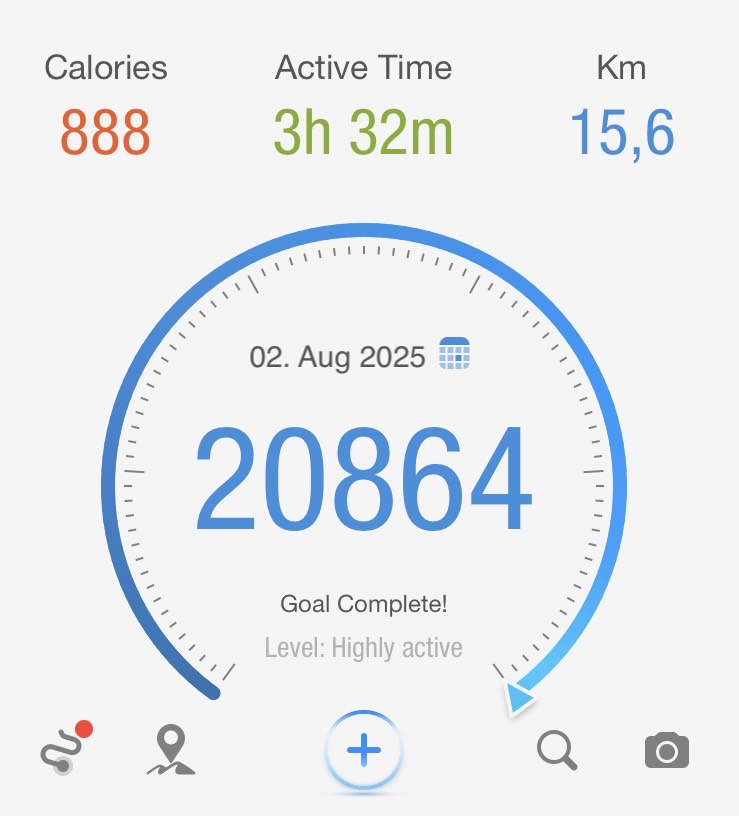
Today is the seventh and final day of my walking challenge, where I walked over 20,000 steps per day regardless of the circumstances and stuck to my regular training routines throughout the week. Completing this has been less about fitness and more about routine flexibility—balancing planning with adaptability. Rain, schedule conflicts, and time pressure didn’t stop me. The biggest hurdle was consistently finding time to walk nearly four hours a day. Despite frequent rain showers in Berlin, I persevered—and that’s the point of a walking challenge.
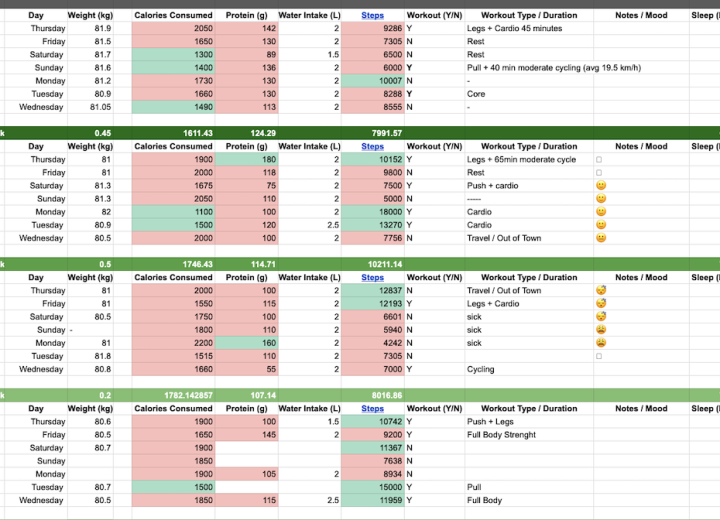
Although weight loss wasn’t the primary goal, the half-kilogram drop I saw stayed intact—even with an extra daily meal. That speaks volumes: walking, done right, is a powerful tool for staying in shape and supporting weight loss. It’s important to note that my typical daily activity already includes 10,000 to 15,000 steps, so this challenge represented just an increase from my usual baseline.

Balancing Consistency and Routine Flexibility in Fitness
A structured routine is key to progress, but it’s equally important to remain flexible. I had a conversation with a friend who recently returned from holiday, heavier than usual. His strategy was to run in the morning—but if that didn’t happen, motivation disappeared for the rest of the day. This highlights two essential truths:
First, routine is crucial. Discipline builds habits—without it, consistency falls apart.
Second, sometimes you need to break your schedule to make progress. If you miss a planned run or walk in the morning, do it later. Routine flexibility means results without rigid rules.
Conclusion: Why Walking Works
This week’s challenge confirms what many studies show: walking is an excellent, low-impact way to stay fit, lose weight, and maintain health. Regular walking burns significant calories, improves cardiovascular health, and strengthens muscles and joints—with minimal injury risk and zero equipment needed.
Followed consistently—even in short bursts—walking reduces belly fat, stabilizes blood sugar, lifts mood, and boosts longevity. Whether you’re new to fitness or returning after a break, walking challenges like this prove that discipline plus flexibility—no excuses—can lead to sustainable change.
One lesson that has gained attention in recent fitness research is the difference between perfection and consistency. People who maintain long-term exercise habits are not necessarily the most disciplined every day—they are often the most adaptable. Missing a planned workout, encountering bad weather, or facing a busy schedule has little impact by itself. What matters is avoiding the “all-or-nothing” mindset that turns a minor disruption into several inactive days. Building systems that can absorb interruptions is often more valuable than following an ideal routine. In practice, sustainable fitness comes less from executing perfect plans and more from making good decisions when conditions are far from perfect.
If you want to see how I handled cravings and nutrition mid‑week, check out Day 6 – Caloric Balance and Smart Eating.
Missed the beginning? Start with Walking Challenge Day 1