July 19, 2025
Yoga for Stress Relief: How It Helps Reduce Cortisol & Anxiety
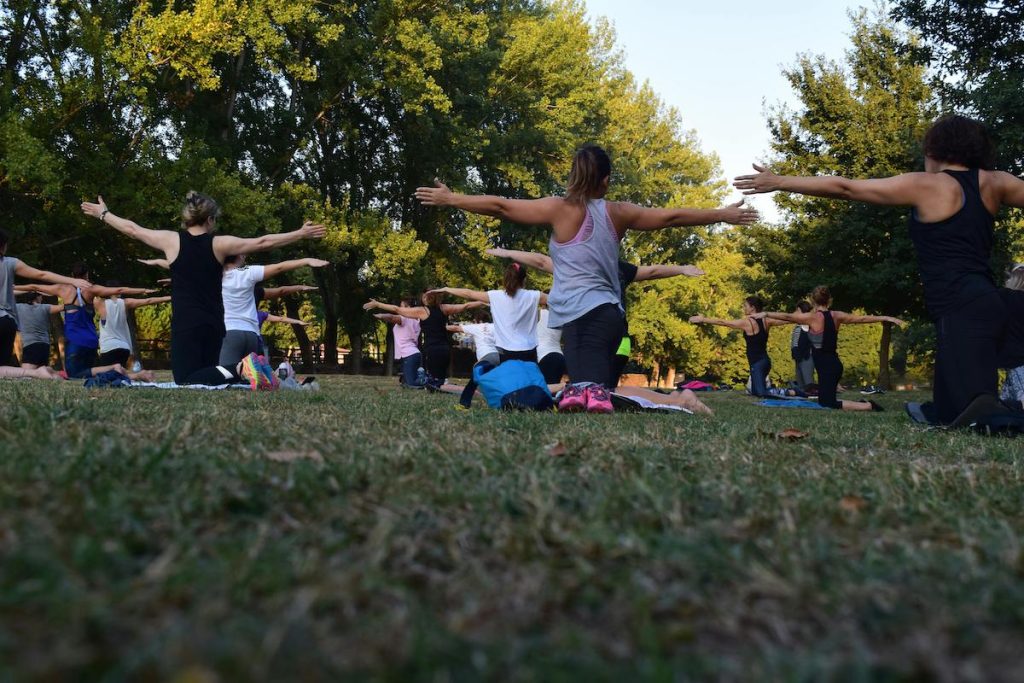
In today’s fast-paced world, chronic stress has become a daily reality for many. The good news? You don’t have to rely on medication or drastic lifestyle changes to manage it. Practicing yoga for stress relief offers a natural, effective way to restore calm, reduce anxiety, and regain mental clarity—no matter your fitness level.
How Stress Affects the Body
Stress triggers the release of cortisol, the body’s primary stress hormone. Over time, elevated cortisol levels can cause:
-
Anxiety and mood swings
-
Poor sleep and fatigue
-
Weakened immune function
-
Weight gain, especially around the midsection
Regular physical activity, especially mindful movement like yoga, has been shown to lower cortisol, ease tension, and support emotional regulation.
Why Yoga Works for Stress Relief
Unlike high-impact workouts, this excersize combines controlled breathing, intentional movement, and meditation—all proven to:
-
Lower blood pressure and heart rate
-
Calm the nervous system
-
Reduce the body’s stress response
-
Enhance overall mood and resilience
Studies show that just 20–30 minutes of yoga daily can significantly reduce symptoms of stress and anxiety.
2026 Wellness Trend: Nervous System Regulation Through Yoga
In 2026, yoga is increasingly being recognized as more than a fitness practice—it’s now widely used as a nervous system regulation tool. Wellness experts and researchers are focusing on how yoga supports the parasympathetic nervous system, helping the body shift out of “fight-or-flight” mode and into a calmer recovery state. Breathwork, slow movement, and mindfulness-based yoga styles are especially popular for reducing stress overload caused by constant digital stimulation and burnout.
Another growing trend is “micro-practicing,” where people use short 5-minute yoga and breathing sessions throughout the day instead of relying only on long workouts. These mini stress resets can improve focus, emotional balance, and resilience, especially for people working in high-pressure environments.
Yoga Poses for Stress and Anxiety Relief
Here are beginner-friendly yoga poses ideal for stress relief:
-
Child’s Pose (Balasana)
-
Gently stretches the spine and calms the mind.
-
-
Legs-Up-the-Wall Pose (Viparita Karani)
-
Promotes relaxation and improves circulation.
-
-
Cat-Cow Stretch (Marjaryasana-Bitilasana)
-
Relieves tension in the spine and improves breath awareness.
-
-
Seated Forward Fold (Paschimottanasana)
-
Encourages deep breathing and soothes the nervous system.
-
-
Corpse Pose (Savasana)
-
Ends your session with complete relaxation and mental reset.
-
Breathwork and Meditation: Yoga’s Stress-Reducing Power Tools
Incorporating breathing exercises (pranayama) and guided meditation into your yoga routine amplifies its calming effects.
-
Try box breathing (inhale 4 – hold 4 – exhale 4 – hold 4)
-
Explore guided meditations or body scans during Savasana
-
Use apps like Insight Timer or Calm to stay consistent
How Technology Is Changing Yoga for Stress Relief in 2026
Technology is also transforming how people practice yoga for stress relief. Many wellness apps and wearable devices now track stress levels, heart-rate variability (HRV), sleep quality, and recovery patterns to recommend personalized yoga or breathing exercises. AI-powered wellness tools are helping users build routines tailored to their stress responses, making yoga more accessible and easier to maintain consistently.
Experts predict that personalized wellness and “mental fitness” will continue to grow throughout 2026, with yoga playing a central role in managing anxiety, improving sleep, and supporting long-term emotional well-being. While technology can support consistency, the core benefits still come from simple habits: mindful breathing, regular movement, and intentional relaxation.
How Often Should You Practice?
Even 10–15 minutes per day can yield noticeable improvements. Consistency matters more than duration. Try:
-
3x/week for beginners
-
Daily short sessions for those needing deeper relief
Yoga isn’t just physical—it’s a holistic stress management tool that supports mental clarity, emotional balance, and physical well-being. By carving out time to practice, you’ll build resilience, reduce anxiety, and feel more centered.