July 20, 2025
Home Workout to Manage Anxiety & Improve Mood
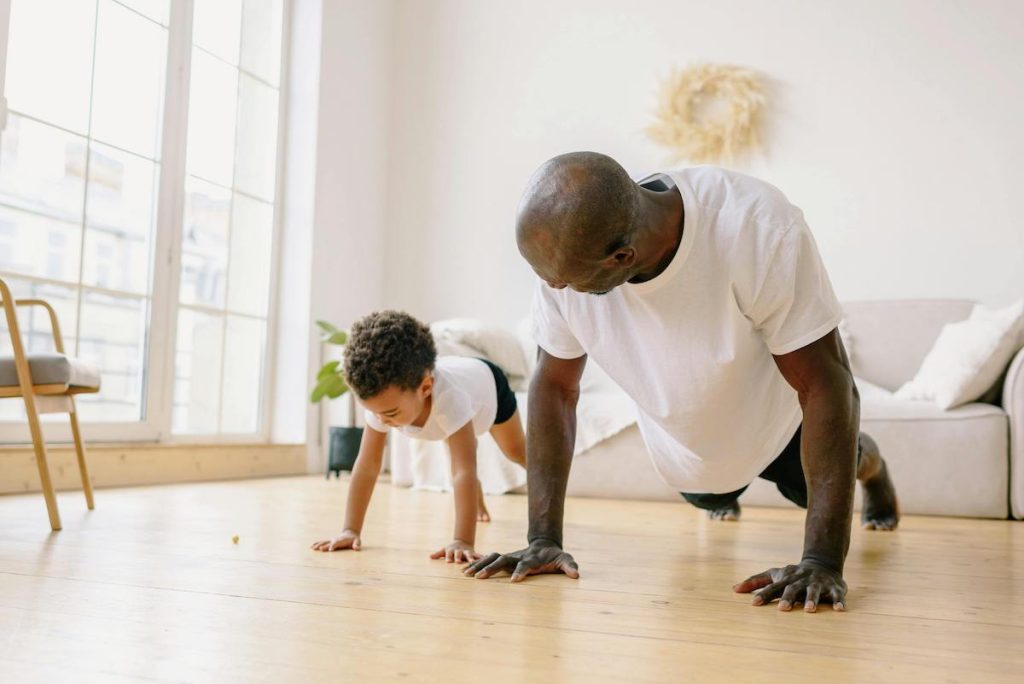
Why a Home Workout Helps with Anxiety
Anxiety can leave you feeling tense, restless, and mentally drained. One of the most effective ways to combat this is with a home workout. Movement increases endorphins, lowers cortisol, and improves your overall sense of well-being.
With just a few minutes of exercise each day, you can:
-
Calm your mind
-
Ease muscle tension
-
Improve sleep
-
Feel more focused and positive
And the best part? You can do it all from home—no gym or equipment needed.
2026 Wellness Trend: Short Home Workouts Are More Effective Than Ever
In 2026, mental wellness experts continue to recommend short, consistent home workout sessions as one of the most accessible tools for reducing anxiety and improving mood. Research shows that even 10–20 minutes of movement can help regulate the nervous system, improve emotional balance, and reduce stress hormones throughout the day.
One reason home workouts remain so effective is convenience. People are more likely to stay consistent when exercise feels easy to start and doesn’t require commuting to a gym. Quick movement breaks between work tasks, study sessions, or parenting responsibilities can instantly improve focus and energy levels.
Popular anxiety-friendly workouts in 2026 include:
- Low-impact cardio
- Walking workouts
- Bodyweight strength training
- Mobility exercises
- Breathwork-based movement sessions
The key is consistency rather than intensity. A simple home workout routine done regularly can support both physical and mental health long term.
Home Workout Routine to Reduce Anxiety
Try this home workout to manage anxiety and improve your mood. You can complete it in just 20 minutes, making it ideal for busy schedules.
Warm-Up (3–5 Minutes)
Start with light movement to get your body ready:
-
March in place
-
Arm circles
-
Gentle side stretches
-
Deep breathing (inhale for 4, exhale for 6)
Main Workout (12–15 Minutes)
This full-body routine combines cardio and bodyweight moves to boost your energy and mental clarity.
| Move | Duration |
|---|---|
| Jumping jacks | 1 minute |
| Bodyweight squats | 1 minute |
| Pushups (knee or full) | 1 minute |
| March or jog in place | 1 minute |
| Forward lunges | 1 minute |
| Rest & repeat the circuit 1–2 more times |
Note: Adjust rest times or reps based on your fitness level.
Cooldown + Breathwork (5 Minutes)
End with slow, restorative movement and breath-focused relaxation:
-
Seated forward fold
-
Child’s pose
-
4-7-8 breathing: Inhale for 4 sec, hold 7, exhale 8
Sample Weekly Schedule
Here’s how to incorporate this home workout into your week:
| Day | Focus |
|---|---|
| Monday | Full home workout + breathwork |
| Tuesday | Gentle yoga or stretching |
| Wednesday | Dance or walk at home |
| Thursday | Full home workout |
| Friday | Rest or light stretching |
| Saturday | Walk outdoors or freestyle movement |
| Sunday | Meditation or gentle flow |
Tips for Anxiety-Reducing Home Workouts
-
Be consistent: 3–5 sessions per week is enough to see mental health benefits
-
Start small: Even 10 minutes a day can help
-
Move with intention: Focus on how your body feels, not just calories burned
-
Track your mood: Journaling your progress can be motivating
Best Home Workout Habits for Mental Health in 2026
Creating a calming workout environment at home can make your routine even more effective for anxiety management. In 2026, many people are combining exercise with mindfulness practices to create a more balanced wellness routine.
Here are a few modern habits that can improve your results:
Create a Dedicated Workout Space
Even a small corner with a yoga mat, water bottle, and calming lighting can help signal your brain that it’s time to relax and reset.
Use Music or Guided Audio
Relaxing playlists, nature sounds, or guided workout apps can help reduce mental distractions and improve focus during exercise.
Focus on Recovery
Recovery is now considered just as important as exercise itself. Prioritize hydration, stretching, quality sleep, and breathing exercises after each home workout.
Reduce Screen Stress
Many people use home workouts as a way to disconnect from social media and lower digital stress. A short workout break can help reset your mood and improve concentration.
By combining movement with mindful habits, your home workout routine can become a powerful daily tool for stress relief and emotional well-being.
Final Thoughts
A consistent home workout routine can be your secret weapon against anxiety. It’s free, flexible, and doesn’t require any special equipment—just your time and intention.
So next time anxiety strikes, try this simple workout and experience the calming effects of mindful movement.