June 29, 2025
Creatine for Brain Health: Cognitive Benefits Backed by Science
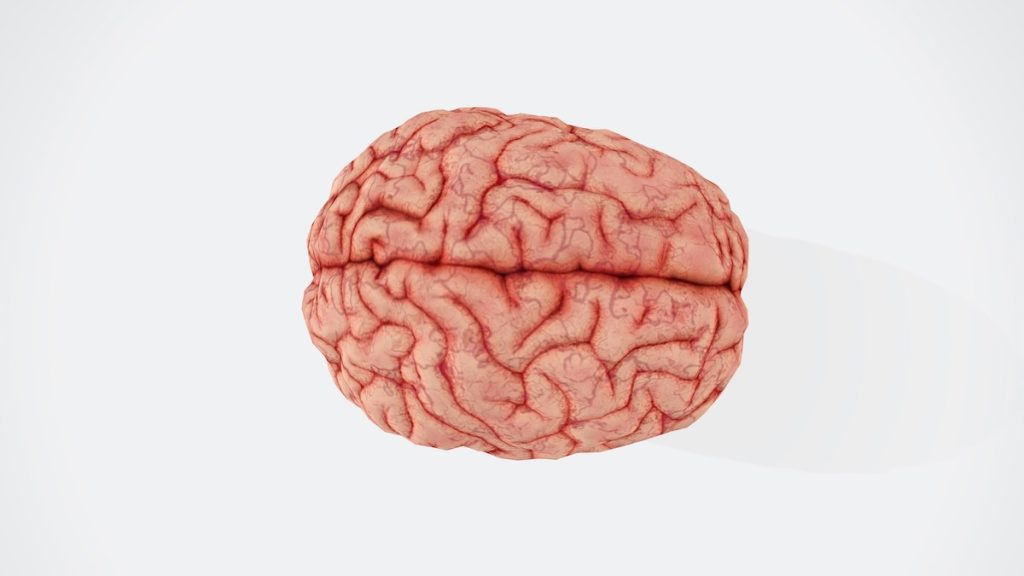
Most people associate creatine with muscle growth and athletic performance—but did you know that creatine also plays a critical role in brain health?
While creatine has long been a staple supplement for athletes, emerging research shows it may also support cognition, mental clarity, mood, and even longevity. In this article, we’ll explore how creatine affects the brain, the science behind its cognitive benefits, and how to use it for optimal mental performance.
Why Your Brain Needs Creatine
Creatine is a compound naturally produced by the body and found in small amounts in foods like red meat and fish. In muscle, it helps generate ATP—the energy your body uses for short bursts of strength or speed.
But here’s what most people don’t realize:
Your brain also uses a significant amount of ATP, especially when performing demanding cognitive tasks.
Just like muscles, the brain relies on creatine to support energy metabolism, especially in areas responsible for:
-
Memory
-
Focus
-
Reaction time
-
Executive function
Low creatine levels in the brain have been linked to mental fatigue, brain fog, and even depression.
How Creatine Supports Brain Energy
To understand why creatine for brain health is gaining attention, it helps to look at how the brain produces energy.
Your brain is one of the most energy-demanding organs in the body, using large amounts of ATP (adenosine triphosphate) every day. ATP fuels essential cognitive functions like concentration, memory formation, decision-making, and mental processing speed.
Creatine helps recycle ATP more efficiently by increasing phosphocreatine stores in the brain. This allows brain cells to maintain energy production during periods of stress, sleep deprivation, or intense mental activity.
Researchers believe this improved cellular energy availability is one of the main reasons creatine may support:
- Mental clarity
- Focus and concentration
- Faster cognitive processing
- Reduced brain fog
- Better resilience to mental fatigue
Because brain energy metabolism naturally declines with age, creatine supplementation may become increasingly valuable for long-term cognitive support and healthy aging.
Top Cognitive Benefits of Creatine
1. Improved Memory and Learning
Several studies have shown that creatine supplementation enhances memory, especially in tasks requiring short-term recall or quick thinking.
-
A 2003 study in the journal Proceedings of the Royal Society B found that creatine improved working memory and intelligence in healthy adults, particularly under stress.
-
Another study showed significant improvements in recall and recognition memory in vegetarians—who tend to have lower natural creatine levels.
Creatine may be especially useful during mentally demanding periods, like studying, exams, or long work sessions.
2. Reduced Mental Fatigue
Mental fatigue often results from low cellular energy. Creatine helps by increasing brain phosphocreatine stores, which buffer energy depletion during high-demand tasks.
In a double-blind study, participants who supplemented with creatine experienced less mental fatigue and performed better on complex cognitive tests than those given a placebo.
This makes creatine valuable for:
-
Long workdays
-
Night shifts
-
High-pressure decision-making
3. Neuroprotection and Aging
As we age, brain creatine levels decline—along with mitochondrial function and cognitive performance. Supplementing creatine may help slow this process.
-
Studies have found that creatine protects neurons from oxidative stress, which plays a role in conditions like Alzheimer’s and Parkinson’s.
-
Early research suggests creatine may support brain energy metabolism and reduce inflammation in aging brains.
While creatine is not a cure, it may be a preventive tool for cognitive decline.
4. Mood and Depression Support
Several studies have found links between low brain creatine levels and mood disorders such as depression.
-
In women with major depressive disorder, adding creatine to SSRI medication led to faster and greater symptom improvement compared to medication alone.
-
Creatine may work by improving energy availability in brain regions tied to emotion regulation and reward.
This makes creatine a potential adjunct therapy for mood support, especially in people with treatment-resistant symptoms.
5. Cognitive Performance Under Stress
Creatine shines when your brain is under pressure.
-
Sleep deprivation, physical fatigue, or extreme stress deplete brain energy rapidly.
-
In military simulations and sleep-deprived participants, creatine improved reaction time, accuracy, and decision-making.
For shift workers, students, or high-stakes professionals, creatine could offer a mental edge when it matters most.
Who Can Benefit from Creatine for Brain Health?
-
Students & professionals: Enhance focus and memory
-
Older adults: Support healthy aging and cognitive resilience
-
Vegetarians & vegans: Often have lower natural creatine levels
-
High-stress jobs: Mental performance under pressure
-
Anyone concerned with longevity and brain health
How to Use Creatine for Brain Benefits
Recommended Dose:
-
3–5 grams per day of creatine monohydrate
-
No need to cycle or load for brain benefits
Best Type:
-
Creatine Monohydrate – most researched and effective
-
Choose brands with Creapure or NSF Certified labels for purity
Timing:
-
Any time of day is fine (morning or with meals may aid habit-building)
-
Consistency is key—take it daily for long-term benefits
It may take 2–4 weeks for cognitive improvements to become noticeable, as brain creatine levels gradually increase.
Creatine for Brain Health vs Nootropics
Unlike many trendy nootropics, creatine for brain health is backed by decades of scientific research and human clinical studies.
Many cognitive supplements focus on stimulants or temporary boosts in alertness. Creatine works differently by supporting the brain’s underlying energy systems at the cellular level.
This is one reason creatine is increasingly being included in:
- Nootropic supplement stacks
- Longevity protocols
- Cognitive performance routines
- Recovery plans for mental fatigue
Compared to common nootropics, creatine stands out because it is:
- Well researched
- Affordable
- Safe for long-term use
- Effective for both physical and mental performance
While caffeine may improve short-term alertness, creatine may provide more sustainable support for cognitive endurance, memory, and mental resilience over time.
For people looking for a science-backed foundation supplement for brain performance, creatine is one of the strongest options available.
Is Creatine Safe for Brain Health?
Yes. Dozens of clinical trials have confirmed that creatine is safe, well-tolerated, and free of serious side effects when taken at recommended doses.
Common concerns debunked:
-
Kidney damage? No evidence in healthy individuals.
-
Hair loss? Extremely limited and inconclusive research.
-
Weight gain? Some people may retain a little water early on, but this is temporary and not fat gain.
Creatine is one of the safest and most cost-effective supplements for both brain and body.
The Future of Creatine in Brain Health
Creatine is gaining attention beyond gyms and sports nutrition. In the next few years, expect to see creatine featured more in:
-
Nootropic stacks
-
Cognitive aging supplements
-
Mental health protocols
-
Longevity research
Its role in energy metabolism makes it a foundational molecule for brain performance—especially when paired with sleep, exercise, and a healthy diet.
Final Thoughts: Should You Take Creatine for Brain Health?
If you’re looking for a proven, affordable way to support your memory, mental clarity, and long-term cognitive function, creatine deserves a place in your daily routine.
It’s not just for bodybuilders—it’s for students, parents, knowledge workers, and anyone who wants to stay sharp, focused, and mentally resilient throughout their life.
Ready to dive deeper? Check out our guide on creatine for longevity and anti-aging.