June 22, 2025
Creatine: The Ultimate Guide to Fitness, Brain Health, and Longevity
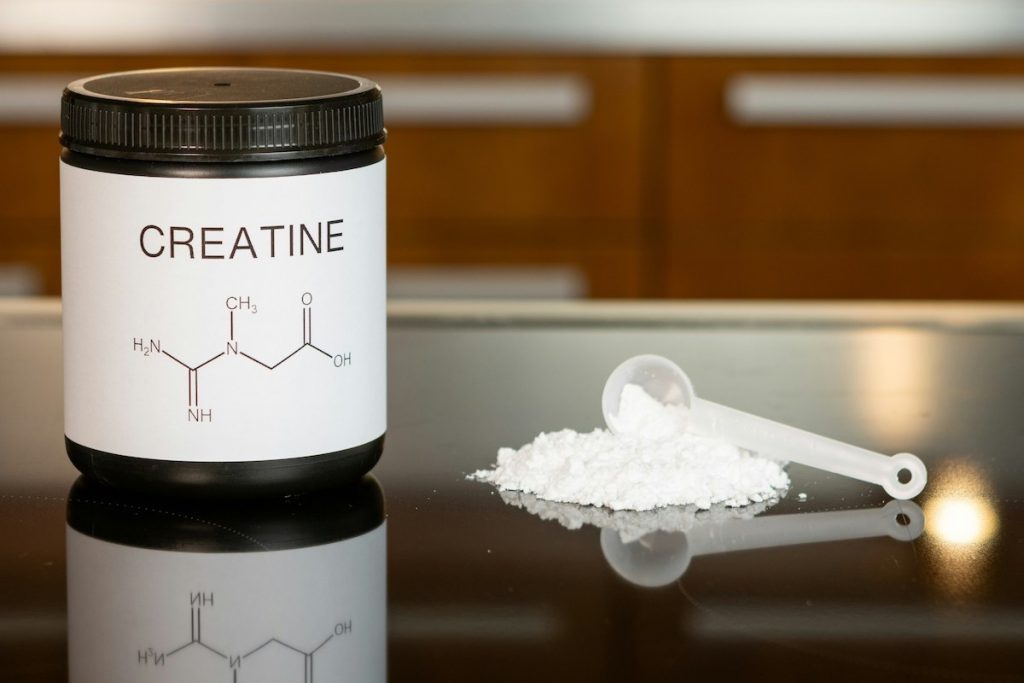
Creatine is one of the most researched and effective supplements in the world. Known primarily for its role in improving strength and athletic performance, creatine is gaining increasing recognition for its powerful benefits beyond the gym. Emerging research highlights its positive impact on brain health, cognitive function, and even longevity.
In this comprehensive guide, we explore how it works, its many benefits—including for your brain and lifespan—potential side effects, usage guidelines, and why it deserves a place in almost everyone’s wellness stack.

Creatine Benefits in 2026: More Than Just a Muscle Supplement
In 2026, creatine is no longer viewed as just a gym supplement—it’s widely recognized as a foundational tool for overall health, performance, and cognitive resilience. Newer research highlights its role in supporting mental energy, stress resistance, and even productivity in high-demand lifestyles. For professionals balancing intense work schedules and training, creatine helps maintain both physical performance and mental clarity. Its affordability, safety profile, and wide-ranging benefits make it one of the highest ROI supplements available today.
What Is Creatine?
It’s a naturally occurring compound found primarily in your muscles and brain. It’s made from three amino acids: arginine, glycine, and methionine. While your body produces it in small amounts, most of it comes from dietary sources like red meat and seafood—or from supplements.
About 95% of the body’s creatine is stored in skeletal muscle, where it helps produce adenosine triphosphate (ATP), the primary energy currency of the cell. This is why it is so closely associated with performance, power, and muscle recovery.
How It Works
His main role is in the ATP-PC energy system, which fuels short bursts of high-intensity activity. When you lift weights or sprint, your muscles rapidly use up ATP. Creatine helps regenerate ATP, allowing you to perform better and recover faster between efforts.
But ATP is also critical in the brain and other tissues. This is where the broader benefits begin to unfold.
Creatine Benefits for Strength and Fitness
1. Increased Strength and Power Output
Supplementation improves maximal strength, power, and explosive performance. It’s especially effective in high-intensity, short-duration exercises such as:
-
Weightlifting
-
Sprinting
-
Jumping
-
HIIT (High-Intensity Interval Training)
2. Enhanced Muscle Growth
By allowing you to train harder and longer, creatine indirectly supports muscle hypertrophy. Some studies also suggest that this supplement may increase intracellular water, giving muscles a fuller look and potentially stimulating muscle protein synthesis.
3. Faster Recovery
Creatine helps reduce muscle cell damage and inflammation after intense exercise, which can lead to faster recovery times and reduced muscle soreness (DOMS).
Creatine for Brain Health and Cognitive Function
Perhaps the most exciting developments in the research lie in its nootropic or brain-boosting potential.
1. Supports ATP in the Brain
The brain is a highly energy-demanding organ. Creatine improves ATP availability in brain cells, especially during cognitively demanding tasks or periods of sleep deprivation.
2. Improved Memory and Intelligence in Some Populations
Studies show improvements in working memory, IQ-related tasks, and reaction time, especially in:
-
Vegetarians and vegans (who typically have lower stores of cr.)
-
Older adults
-
Sleep-deprived individuals
3. Neuroprotection and Mental Health
Creatine may have neuroprotective effects due to its role in cellular energy metabolism and mitochondrial function. Preliminary research shows potential in supporting mental health conditions such as:
-
Depression
-
Traumatic brain injury (TBI)
-
Neurodegenerative diseases (e.g., Parkinson’s, Huntington’s)
Creatine and Longevity
Beyond performance and cognition, we see it as a longevity-promoting compound.
1. Mitochondrial Support
Mitochondrial dysfunction is a hallmark of aging. The supplement enhances mitochondrial efficiency and resilience, potentially slowing the aging process at the cellular level.
2. Muscle Preservation (Sarcopenia Prevention)
Age-related muscle loss (sarcopenia) is a major driver of frailty and mortality. Supplementation helps maintain lean muscle mass and strength in older adults, improving mobility and reducing fall risk.
3. Anti-inflammatory Effects
Chronic inflammation accelerates aging and is linked to nearly every major disease. This supplement has mild anti-inflammatory properties, helping combat systemic inflammation and oxidative stress.
Is Creatine Safe?
Yes, it is one of the most studied supplements, with hundreds of clinical trials affirming its safety and efficacy. It is generally well-tolerated by healthy individuals.
Common Myths (Debunked)
-
Kidney damage: Extensive research shows that it does not impair kidney function in healthy individuals.
-
Dehydration or cramps: No evidence supports this; in fact, this supplement may help with cellular hydration.
-
Hair loss: One small study suggested a link to DHT, but no follow-up research has confirmed it.
However, those with pre-existing kidney disease should consult a doctor before supplementation.
Potential Side Effects of Creatine
Although rare, some people may experience:
-
Water retention or bloating: Usually during the loading phase.
-
Gastrointestinal discomfort: Often mitigated by using smaller doses or a micronized creatine form.
-
Mild weight gain: Mostly from water retention in muscles, not fat.
Best Types of Creatine
-
Creatine Monohydrate – The gold standard. Most research is based on this form.
-
Creatine HCl – More soluble; may reduce GI issues.
-
Buffered Creatine (Kre-Alkalyn) – Claims to reduce breakdown in the stomach, but lacks strong evidence.
-
Creatine Nitrate, Malate, Magnesium Chelate – Often more expensive, with limited added benefit.
Recommendation: Stick with creatine monohydrate, unless you have specific digestion issues.
How to Choose High-Quality Creatine for Maximum Results
Not all creatine supplements are created equal, and quality matters for both effectiveness and digestion. Look for creatine monohydrate with certifications like Creapure®, which ensures purity and minimal contaminants. Micronized creatine can improve solubility and reduce the risk of stomach discomfort. Avoid unnecessary blends or “advanced” formulas that significantly increase cost without proven benefits. Consistency is far more important than complexity—daily intake of a high-quality product delivers the best long-term results.
How to Take Creatine: Dosage and Timing
Loading Phase (Optional):
-
20 grams/day split into 4 doses for 5–7 days
This rapidly saturates muscle stores of cr.
Maintenance:
-
3–5 grams/day ongoing
No need to cycle. Take it daily—even on rest days.
Timing:
-
Timing isn’t critical. However, taking it post-workout with carbs and protein may slightly enhance uptake.
Who Should Take Creatine?
This supplement isn’t just for bodybuilders. It’s beneficial for:
-
Athletes – For strength, power, and recovery
-
Students and professionals – For cognitive support
-
Older adults – To fight muscle loss and support brain health
-
Vegans and vegetarians – Due to low dietary creatine intake
-
Anyone pursuing optimal health and longevity
Stacking with Other Supplements
Can be combined with:
-
Protein powders – For muscle building
-
Caffeine – For performance (though individual responses may vary)
-
Beta-alanine – For endurance
-
Adaptogens (e.g., Rhodiola, Lion’s Mane) – For cognitive enhancement
Key Takeaways
| Creatine Benefits | Explanation |
|---|---|
| Strength & Power | Enhances ATP production, enabling better performance |
| Muscle Growth | Supports hypertrophy through improved training volume |
| Brain Function | Boosts cognitive performance, memory, and mental energy |
| Longevity | Protects muscle mass, supports mitochondria, reduces inflammation |
| Safe & Well-Studied | Backed by decades of research across populations |
Final Thoughts: Why Creatine Is a Foundational Supplement
Creatine stands out as one of the rare supplements that benefits the body, brain, and lifespan. It’s safe, affordable, and effective for a wide range of people—not just athletes. As research expands, this amazing supplement is fast becoming a cornerstone of proactive health and longevity strategies.
Whether you’re chasing PRs in the gym, mental sharpness at work, or vitality into old age, creatine may be one of the smartest daily supplements to include.