April 21, 2025
Why Strength Training Is the Real Secret to Fat Loss, Confidence, and Total Body Transformation
In the world of fitness, few practices are as transformative and beneficial as strength training. Whether you’re aiming to build muscle, lose fat, or enhance your athletic performance, incorporating this type of training into your routine is a game-changer. This guide breaks down everything you need to know—from the benefits to best practices—so you can start reaping the rewards today.
What is Strength Training?
Strength training, also known as resistance training, involves exercises that improve muscular strength and endurance. This can be done using free weights, machines, resistance bands, or even your own body weight.
Common exercises include:
-
Squats
-
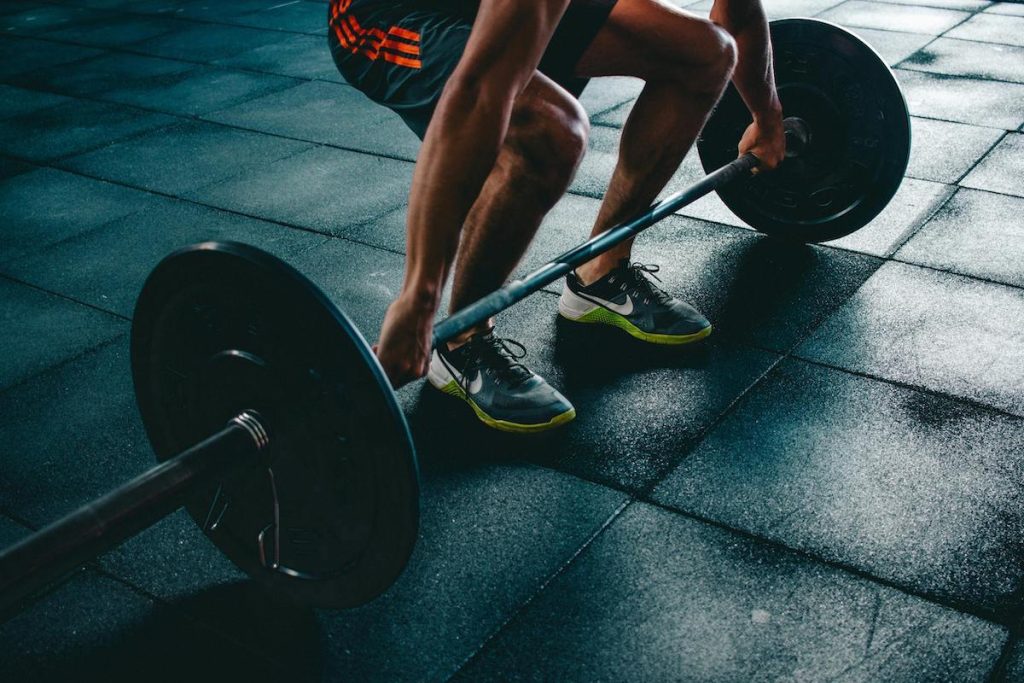
Deadlifts
-
Bench presses
-
Pull-ups
-
Lunges
-
Rows
These movements target various muscle groups, helping you develop a balanced and strong physique.
Top Benefits of Strength Training
1. Increases Muscle Mass
One of the most obvious benefits of training is muscle growth. More muscle not only improves your appearance but also supports daily functional movements.
2. Boosts Metabolism
Muscle is more metabolically active than fat. That means the more muscle you have, the more calories your body burns—even at rest.
3. Strengthens Bones
Regular resistance training improves bone density, reducing the risk of osteoporosis and fractures as you age.
4. Improves Mental Health
Studies show that this type of training can help reduce symptoms of anxiety and depression, boost confidence, and improve overall mood.
5. Enhances Athletic Performance
Whether you’re a runner, swimmer, or casual athlete, training enhances power, endurance, and coordination, making you better in your sport.
Strength Training for Fat Loss in 2026
Strength training is now widely recognized as one of the most effective methods for sustainable fat loss—far outperforming traditional cardio-only approaches. In 2026, the focus has shifted toward building lean muscle to improve metabolic flexibility, meaning your body becomes more efficient at burning both fat and carbohydrates for energy.
Unlike crash diets or excessive cardio, resistance training helps preserve muscle mass while reducing body fat. This is crucial because muscle tissue directly influences your resting metabolic rate. The more lean muscle you have, the more calories you burn throughout the day—even when you’re not exercising.
Modern training approaches also emphasize efficiency. Short, structured workouts using compound movements like squats, deadlifts, and push exercises can deliver better fat loss results in less time. Combined with proper nutrition and recovery, strength training creates a long-term transformation rather than short-term weight loss.
For anyone balancing work, lifestyle, and fitness, this makes strength training one of the most time-effective strategies for staying lean, strong, and energized year-round.
Strength Training for Beginners: Where to Start
Starting with a solid foundation is key. Here are some tips if you’re a newbie:
-
Start with bodyweight exercises: Push-ups, squats, and planks are great beginner moves.
-
Focus on form: Proper technique prevents injuries and ensures you’re working the right muscles.
-
Use progressive overload: Gradually increase weight, reps, or intensity over time.
-
Rest and recover: Muscles grow during rest, not during the workout. Aim for 48 hours of recovery between sessions for the same muscle group.
How Often Should You Strength Train?
For general health, 2–3 sessions per week are ideal. Each session should target all major muscle groups and last around 45–60 minutes.
Weekly Strength Training Split Example:
-
Day 1: Upper body
-
Day 2: Lower body
-
Day 3: Full body or active recovery
Common Myths About Strength Training
Myth 1: Lifting weights makes you bulky.
Truth: Building significant muscle mass requires specific training and diet. Most people gain lean, toned physiques.
Myth 2: Strength training is only for young people.
Truth: It’s beneficial for all ages and especially important as we age to maintain muscle mass and bone strength.
Myth 3: You need a gym.
Truth: While gyms are useful, effective training can be done at home with minimal equipment.
Strength Training in Berlin: How to Get Started Locally
If you’re based in Berlin, getting started with strength training has never been easier. From fully equipped gyms to outdoor fitness parks and personal coaching options, the city offers flexible ways to train regardless of your experience level.
Many professionals are now turning to structured coaching or small-group training to maximize results while staying accountable. This is especially useful if you’re navigating a busy schedule or want a personalized plan tailored to fat loss, muscle building, or athletic performance.
Outdoor training is also growing in popularity across Berlin, particularly during spring and summer. Combining strength workouts with fresh air and functional movement creates a more engaging and sustainable routine compared to traditional gym-only approaches.
Whether you prefer training at home, outdoors, or in a gym, the key is consistency and progression. A well-designed strength training program—combined with expert guidance—can significantly accelerate your results while reducing the risk of injury.
Final Thoughts
Strength training is one of the best things you can do for your body and mind. It’s not just about lifting weights—it’s about building a lifestyle centered on strength, resilience, and confidence.
Whether you’re a complete beginner or looking to level up your workouts, incorporating strength training into your fitness routine will lead to long-lasting benefits. Start small, stay consistent, and watch your body transform.